


The transportation industry is at a turning point, with the urgent need to shift from fossil fuels to sustainable energy sources. Among the most promising solutions is the Fuel Cell Electric Vehicles(FCEVs), which uses hydrogen fuel cells to generate electricity. Unlike traditional internal combustion engine (ICE) vehicles, FCEVs emit only water vapor, making them an environmentally friendly alternative.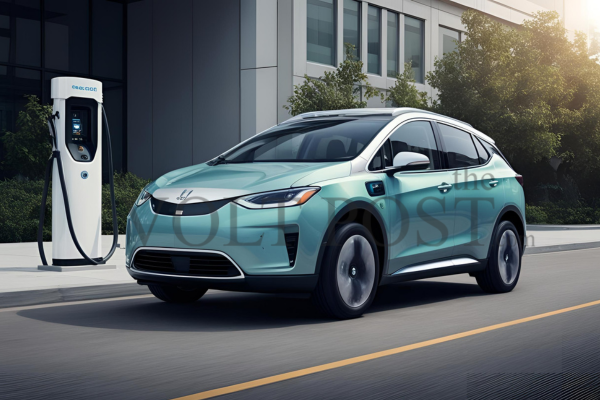
This article provides an in-depth exploration of FCEVs, covering their technology, advantages, challenges, industry adoption, comparisons with Battery Electric Vehicles (BEVs), and future trends. The Volt Post will help you understand why hydrogen-powered transportation is gaining momentum.
How Fuel Cell Electric Vehicles Work
The Fuel Cell Mechanism
Fuel Cell Electric Vehicles generate electricity through an electrochemical process rather than combustion. The proton exchange membrane (PEM) fuel cell is the most common type used in FCEVs, consisting of the following components:
- Anode – Hydrogen gas (H?) enters the fuel cell and is split into protons and electrons.
- Electrolyte Membrane – A specialized material that allows only protons to pass through, while electrons take an external circuit, creating an electrical current.
- Cathode – Oxygen (O?) from the air combines with electrons and protons to form water (H?O), the only emission.
- Catalyst – Platinum-based materials speed up the reaction while remaining unchanged.
This electrochemical reaction produces direct current (DC) electricity, which powers the electric motor of the vehicle.
Hydrogen Storage and Distribution
Unlike gasoline, hydrogen must be stored at extremely high pressure (typically 700 bar) in specially designed tanks. These tanks are lightweight, durable, and built to withstand extreme conditions. Hydrogen refueling works similarly to gasoline refueling, taking only 3 to 5 minutes to fill a tank.
Sources of Hydrogen Fuel:
- Electrolysis: Using electricity to split water molecules into hydrogen and oxygen.
- Steam Methane Reforming (SMR): Extracting hydrogen from natural gas (widely used but not completely carbon-free).
- Biomass Gasification: A more sustainable method that extracts hydrogen from organic materials.
For Fuel Cell Electric Vehicles(FCEVs) to be a truly green alternative, hydrogen must be sourced from renewable energy-powered electrolysis, known as green hydrogen.
Advantages of Fuel Cell Electric Vehicles
1. Zero Emissions
FCEVs produce only water vapor, eliminating carbon dioxide (CO2) emissions and other air pollutants, making them a crucial solution in the fight against climate change.
2. Fast Refueling
Unlike battery-electric vehicles (BEVs), which require hours to recharge, Fuel Cell Electric Vehicles(FCEVs) can be refueled in under 5 minutes, providing convenience similar to gasoline vehicles.
3. Long Driving Range
Most FCEVs offer a driving range of 350-400 miles, similar to gasoline-powered cars and significantly higher than many BEVs.
4. High Energy Efficiency
Fuel cells operate at 60% efficiency, compared to 20-30% for internal combustion engines, leading to reduced energy waste and better fuel economy.
5. Ideal for Commercial and Heavy-Duty Vehicles
FCEVs are particularly well-suited for buses, trucks, trains, and fleet vehicles, where extended driving ranges and fast refueling are critical.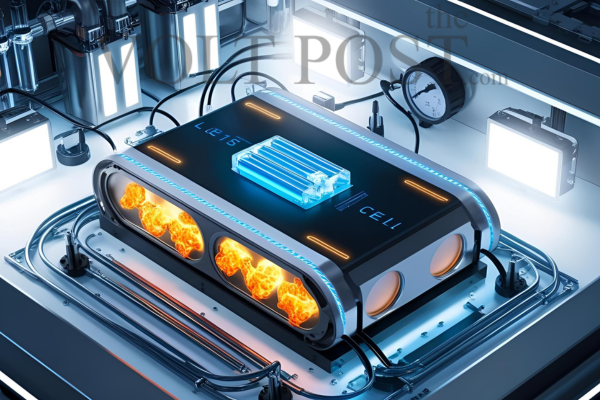
Challenges Facing Fuel Cell EV Adoption
1. High Production Costs
Fuel cells require platinum-based catalysts, making them expensive. However, research into alternative materials is underway to reduce costs and increase affordability.
2. Limited Hydrogen Infrastructure
Hydrogen refueling stations are currently scarce, limiting widespread FCEV adoption. Governments and private companies are working to expand the refueling network, particularly in regions committed to hydrogen energy.
3. Hydrogen Production Methods
Most hydrogen is produced using fossil fuels, reducing its environmental benefits. Transitioning to green hydrogen (produced using renewable energy) is essential for FCEVs to become truly sustainable.
4. Energy Conversion Losses
Although efficient, the hydrogen production, storage, and transportation process requires energy, making it less efficient than direct electricity use in BEVs.
Industry Leaders and Their Perspectives
Toyota’s Commitment to Hydrogen
Toyota leads the FCEV industry with its flagship model, the Toyota Mirai. Akio Toyoda, former CEO of Toyota, stated:
“Hydrogen fuel cells will play a key role in achieving carbon neutrality by complementing battery-electric vehicles.”
Hyundai’s Innovation with the NEXO
Hyundai is investing heavily in hydrogen technology, particularly with the Hyundai NEXO. According to Hyundai Chairman Euisun Chung:
“Hydrogen energy will be a powerful enabler of sustainable mobility, and we are investing heavily in its infrastructure.”
Honda’s Hydrogen Strategy
Honda continues to explore hydrogen-powered mobility with models like the Clarity Fuel Cell. Honda’s leadership notes:
“Fuel cells provide the convenience of fast refueling and a long driving range, making them ideal for commercial fleets and heavy transport.”
FCEVs vs. Battery Electric Vehicles (BEVs)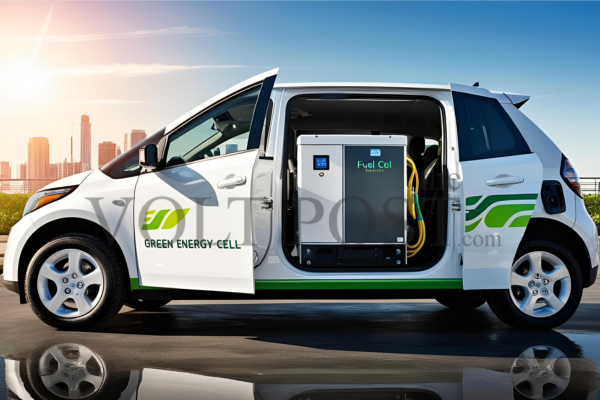
Comparison of Key Features
| Feature | Fuel Cell Electric Vehicles(FCEVs) | Battery Electric Vehicles (BEVs) |
|---|---|---|
| Refueling/Charging Time | 3-5 minutes | 30 minutes to several hours |
| Driving Range | 350-400 miles | 200-350 miles |
| Emissions | Zero (only water vapor) | Zero (battery production has environmental impact) |
| Infrastructure Availability | Limited hydrogen stations | Extensive EV charging stations |
| Energy Efficiency | ~60% | ~90% (less energy loss) |
While BEVs are widely available and more efficient, FCEVs provide superior refueling speed and long-range benefits, making them ideal for specific use cases.
Future of Fuel Cell Electric Vehicles(FCEVs)
1. Expansion of Hydrogen Infrastructure
Governments and companies worldwide are investing in hydrogen refueling stations to support FCEV adoption. The Hydrogen Council aims to establish thousands of refueling stations by 2030.
2. Rise of Green Hydrogen
As renewable energy sources become more cost-effective, green hydrogen will replace fossil-fuel-derived hydrogen, significantly enhancing FCEV sustainability.
3. Adoption in Heavy-Duty Transport
FCEVs are poised to revolutionize the trucking, bus, train, and shipping industries, where battery-electric solutions may not be practical due to weight and charging time constraints.
4. Government Policies and Incentives
Countries including Japan, Germany, South Korea, and the USA have introduced incentives, subsidies, and regulatory support to encourage FCEV development and hydrogen fuel expansion.
Fuel Cell Electric Vehicles(FCEVs) are a game-changing technology that offers zero emissions, fast refueling, and extended driving ranges. While challenges remain, advancements in fuel cell technology, hydrogen infrastructure, and green hydrogen production are paving the way for a cleaner transportation future.
With strong support from industry leaders, governments, and environmental organizations, Fuel Cell Electric Vehicles(FCEVs) will play a critical role in the transition toward a carbon-neutral world.
References
- Hydrogen Council. (2024). “Hydrogen Scaling Up: A Sustainable Pathway.”
- Toyota Global. (2024). “The Future of Hydrogen-Powered Mobility.”
- International Energy Agency. (2023). “The Role of Hydrogen in the Energy Transition.”
- Hyundai Newsroom. (2024). “Hyundai’s Vision for a Hydrogen Society.”
- European Commission. (2024). “The EU Hydrogen Strategy and Roadmap.”