



As geopolitical tensions continue to shake global oil markets and drive fuel price swings, new data from corporate mobility platform Routematic shows how EV fleets can meaningfully reduce fuel dependency and shield enterprises from rising fuel costs.
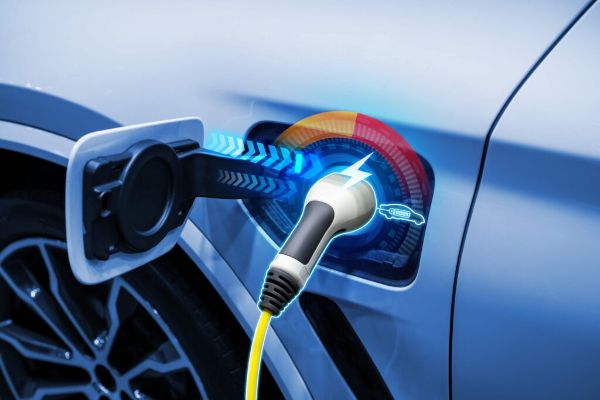
Routematic, India’s leading AI?enabled corporate mobility platform serving over 400 enterprises across 24+ cities, has already deployed more than 400 company?owned electric vehicles (EVs) in its employee transportation network in Bengaluru and Pune.
According to Routematic’s fleet data, these EVs are helping avoid roughly 65,400 litres of fuel every 15 days compared to conventional internal combustion engine (ICE) vehicles operating under similar conditions. At current fuel prices of around INR 100 per litre, that translates to nearly INR 65 lakh in fuel savings every 15 days.
If this trajectory continues over a full year, the company estimates its current EV deployments alone could help avoid over 15.7 lakh litres of fuel annually, equivalent to approximately INR 15.7 crore in fuel cost savings at prevailing prices.
These figures are based on Routematic’s existing EV fleets and current market conditions, underscoring the savings potential even when only part of a corporate fleet is electrified. The company notes that a full transition to EVs could push savings and cost efficiencies substantially higher.
The data reinforces the growing economic case for electrification as fuel prices remain volatile amid global geopolitical shifts. For enterprises, EV adoption is emerging not just as a sustainability move but as a strategic hedge against fuel price uncertainty. Yet despite the clear economic and environmental benefits, structured and optimized corporate commute systems are still surprisingly rare.
A recent Routematic research report, Navigating Corporate Commute for GCCs in India: Benchmarking Corporate Commute Maturity Report, finds that over 60% of Global Capability Centres (GCCs) in India still lack integrated commute solutions, highlighting a major gap in how companies manage employee mobility.
Employee transportation vehicles typically cover 100–150 kilometres daily along fixed pickup and drop routes, making them especially well?suited to electrification thanks to predictable patterns and high utilization. Routematic’s EV fleet currently averages around 120 kilometres of daily operations per vehicle, enabling its clients to cut fuel costs meaningfully while lowering emissions.
The company’s AI?driven fleet intelligence platform optimizes routing, scheduling, and vehicle allocation across its employee transportation networks. It also tracks battery charge levels and charging cycles to ensure EVs are deployed efficiently without sacrificing fleet availability.
As fuel price volatility continues to reshape transportation economics, electrifying high?utilization corporate fleets is increasingly seen as a practical way for enterprises to stabilize operating costs while contributing to India’s broader sustainability and energy transition goals.
Routematic currently manages over 15,000 employee trips every day through a network of more than 7,500 vehicles. As part of its long?term sustainability roadmap, the company is expanding its EV fleets and working with enterprise clients and fleet partners to accelerate the adoption of electric mobility across corporate transport networks.
 Leadership Comment
Sriram Kannan, Founder & CEO, Routematic, said the latest global energy disruptions are reinforcing the strategic importance of fleet electrification. “Global geopolitical tensions and the resulting volatility in fuel prices once again highlight the vulnerability of fuel-dependent mobility systems. Electrification in mobility is no longer just about sustainability, it is increasingly about cost stability and operational efficiency, particularly for enterprises running large, round-the-clock transportation networks. At Routematic, we are seeing how transitioning corporate transportation to EVs, combined with intelligent routing and fleet optimization, can significantly reduce fuel dependency while improving efficiency and cost benefits”.
To Know More: CLICK HERE