


SASTRA Deemed University hosted the fifth edition of its flagship event, PACT for IMPACT 2026 – Conclave on Semiconductor & Electronics Manufacturing, bringing together over 400 students and faculty for an in-depth interaction with leading voices from India’s semiconductor ecosystem.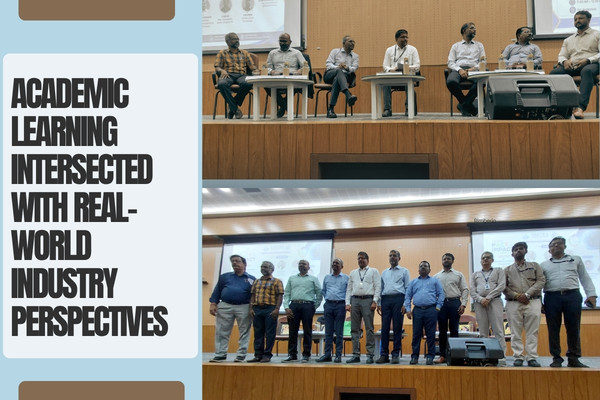
Held at the SoC Auditorium, the conclave focused on a timely theme, “The Need to Blend Technology and Business in Education” as India continues to strengthen its ambitions of becoming a global semiconductor hub.
The event created a platform where academic learning intersected with real-world industry perspectives, offering students a comprehensive view of the semiconductor value chain.
The panel featured prominent industry leaders including R. M. Rangaswamy, Vice President (Quality), CG Semi Private Limited; Paul Ilanghovan, Head – Operations, Kaynes Semicon Pvt. Ltd.; A. Gowrisankar, Director – Technical, Caliber Interconnects; Srinivasan Duraiswamy, Managing Director, Mobiveil Technologies India Pvt. Ltd. (A GlobalLogic Company); T. P. Bens Raj, Head – Talent Acquisition, Sanmina-SCI India Pvt. Ltd.; and D. Balakumar, Senior Solutions Director, HCL Technologies.
Moderated by Dr. John Bosco Balaguru Rayappan, Dean – Sponsored Research at SASTRA, the discussion centered on aligning academic training with evolving industry expectations, while encouraging students to look beyond conventional engineering pathways.
Speakers shared insights spanning the entire semiconductor lifecycle from RTL design, system verification and EDA to manufacturing, advanced packaging, testing, reliability and product realization. The conversation consistently returned to a central idea, future engineers must combine strong technical expertise with business awareness and adaptability.
A lively Q&A session became one of the highlights of the conclave, with students engaging panelists on topics such as career pathways, AI, higher education, entrepreneurship and India’s semiconductor future. Industry leaders responded candidly, offering practical advice drawn from years of experience.
Beyond technical discussions, the panel emphasized personal and professional values. Rangaswamy underscored that quality extends beyond processes to mindset, urging students to build discipline, curiosity and integrity. “Pursue your career with joy, focus and consistency,” he said, a message that resonated throughout the session.
Paul Ilanghovan pointed to the rapid expansion of India’s semiconductor manufacturing ecosystem, encouraging students to prepare for opportunities across fabrication, assembly and packaging through continuous learning and adaptability.
Highlighting the growing importance of testing and reliability, A. Gowrisankar stressed the need for strong fundamentals and analytical thinking. Srinivasan Duraiswamy reinforced the importance of lifelong learning, noting that constant reskilling will be essential in a fast-evolving technology landscape.
From a talent perspective, T. P. Bens Raj emphasized that employers value attitude, integrity and communication skills as much as technical competence. D. Balakumar added that engineers who understand business context and customer needs will be better positioned to drive innovation.
 Across the discussion, recurring themes included quality, curiosity, ethics, resilience and consistency. Panelists encouraged students to gain hands-on experience through internships, develop problem-solving skills, and adopt a structured approach to failure analysis and root-cause investigation.
Summing up the session, Dr. Rayappan highlighted the importance of stronger academia-industry collaboration in building globally competitive talent. He urged students to actively align their learning with industry trends and expectations.
The PACT for IMPACT 2026 conclave concluded with a message that tied together both professional ambition and personal fulfillment. Reflecting on a long career in the industry, one panelist noted, “After 35 years, I can proudly say I am happy with what I am because I chose to enjoy what I do.”