


In 2025, the semiconductor industry will be a battlefield of innovation, capital, and policy. While TSMC, Samsung, Intel, and NVIDIA dominate by segment, regionally strategic policies, and technological disruption are rapidly reshaping the pecking order as we pen down to mention the Largest Semiconductor Companies in 2025.
The global semiconductor industry, valued at over $650 billion in 2024, is projected to surpass $710 billion by the end of 2025, according to market research firm Gartner. Semiconductors are the backbone of innovations in AI, EVs, quantum computing, and 6G networks.
In this fast-evolving landscape, a few dominant players account for the majority of revenue, market share, and R&D investment, making it a tough fight to make it to the Largest Semiconductor Companies in 2025. These companies wield influence not only in technology but also in geopolitics and supply chain policy.
This article on Largest Semiconductor Companies in 2025 ranks the top global semiconductor companies based on:
-
2025 Market Share (% revenue)
-
Annual Revenue (2024–2025 est.)
-
Segment Focus (Foundry, Fabless, IDM, Memory)
-
Flagship Products
-
Strategic Investments

2025 Global Semiconductor Market Overview
| Metric | Value |
|---|---|
| Global Revenue | $710 billion (est.) |
| CAGR (2020–2025) | 6.4% |
| AI Semiconductor Market | $90 billion |
| Automotive Semiconductor Market | $85 billion |
| Memory Market Share | 27% of total |
| Logic & Processor Chips | 33% of total |
| Leading Regions | Asia-Pacific (60%+), North America, EU |
| Top Drivers | AI, EVs, LLMs, 5G/6G, Advanced Packaging |
Top 10 Semiconductor Companies by Market Share and Financials
1. Taiwan Semiconductor Manufacturing Company (TSMC)
-
Market Share (Foundry): 56.2%
-
2025 Revenue: $95–100 billion (est.)
-
Segment: Pure-play Foundry
-
Flagship Tech: N3E (3nm Enhanced), 2nm GAA
-
Clients: Apple, NVIDIA, AMD, Qualcomm
Financial Highlights:
-
Gross Margin: 52%
-
CapEx (2024–25): $32 billion
-
R&D Investment: $6.5 billion
-
Geographic Expansion: Japan, U.S. (Arizona), Germany
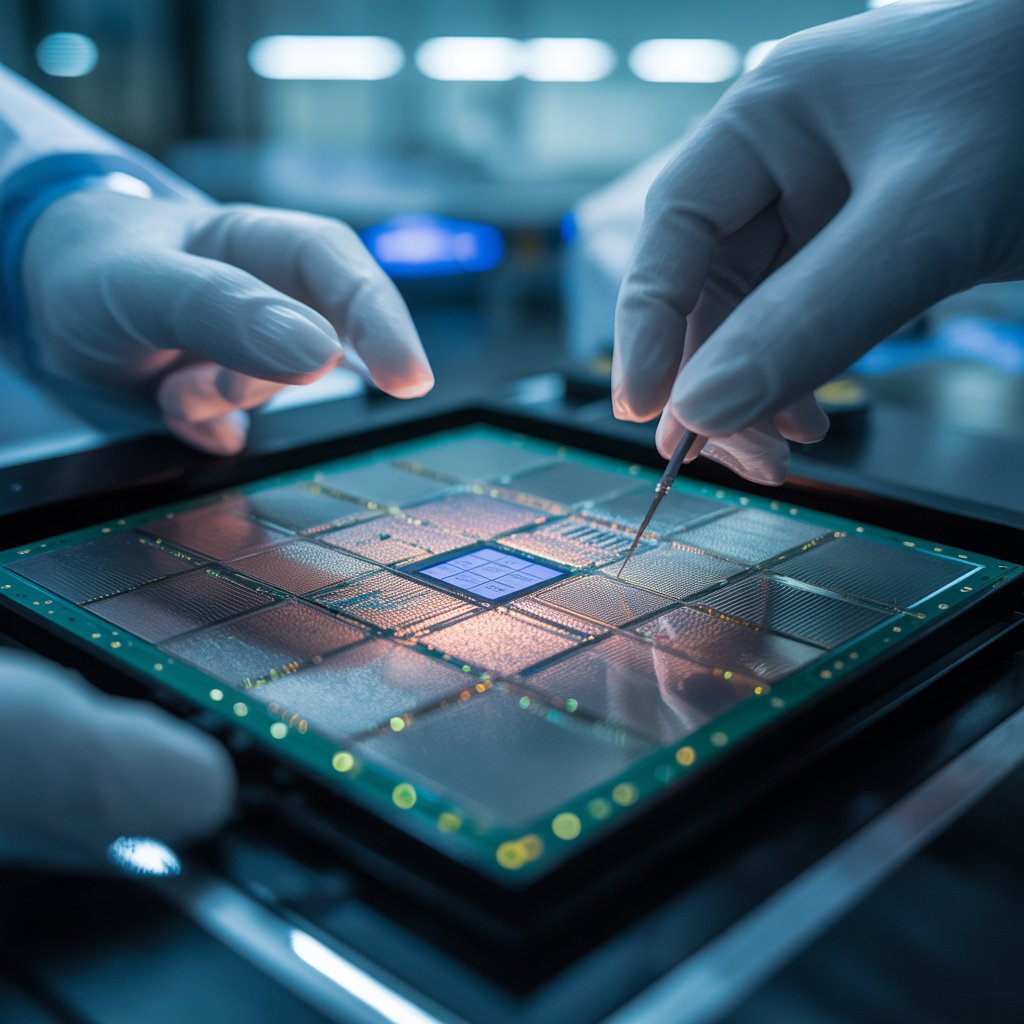
TSMC remains the gold standard in chip manufacturing, with consistent yield leadership, GAA process readiness, and multi-region diversification.
2. Intel Corporation
-
Market Share (Total Revenue): ~9%
-
2025 Revenue (est.): $58–60 billion
-
Segment: IDM + Foundry (IFS)
-
Flagship Tech: 18A (RibbonFET, PowerVia), Gaudi 3, Meteor Lake
-
Clients: AWS, US DoD (IFS), internal (Core, Xeon)
Financials:
-
R&D Spend: $17 billion
-
CapEx: $28 billion
-
Foundry Revenue (IFS): $5–6 billion
-
Gross Margin: 46% (recovering)

Intel is executing a historic turnaround with a 5-node-in-4-year strategy, IFS client onboarding, and new fabs in Ohio and Germany.
3. Samsung Electronics
-
Market Share (Semiconductors overall): ~17.5%
-
2025 Semiconductor Revenue: $110–115 billion (includes memory and logic)
-
Segment: IDM (Memory + Foundry)
-
Flagship Products: 3nm GAA, V-NAND Gen 9, DDR5, HBM3
Financials:
-
CapEx (2024–25): $33 billion
-
Foundry Market Share: 13%
-
Memory Market Share: 40% (DRAM), 35% (NAND)
-
Clients: Tesla, Google, Qualcomm
Samsung is pushing to catch up with TSMC in foundry while dominating memory leadership, especially with HBM for AI.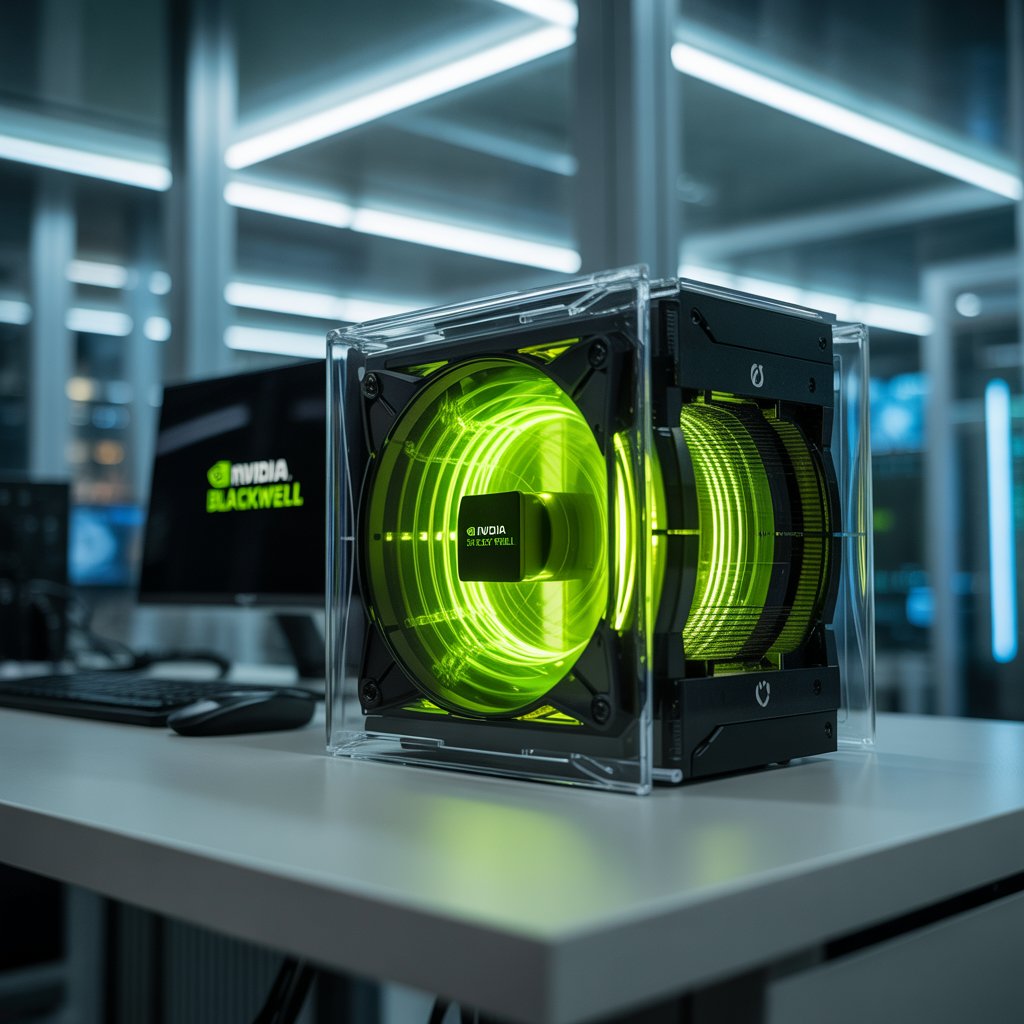
4. NVIDIA Corporation
-
Market Share (AI GPU segment): 83%
-
2025 Revenue (est.): $93–95 billion
-
Segment: Fabless (AI, GPUs)
-
Flagship Tech: Blackwell B200/B100, Grace Hopper, CUDA ecosystem
-
Clients: Microsoft, Meta, OpenAI, AWS
Financials:
-
Data Center Revenue: ~$60 billion (up from $45B in 2024)
-
Gross Margin: 75%
-
R&D Spend: $12 billion
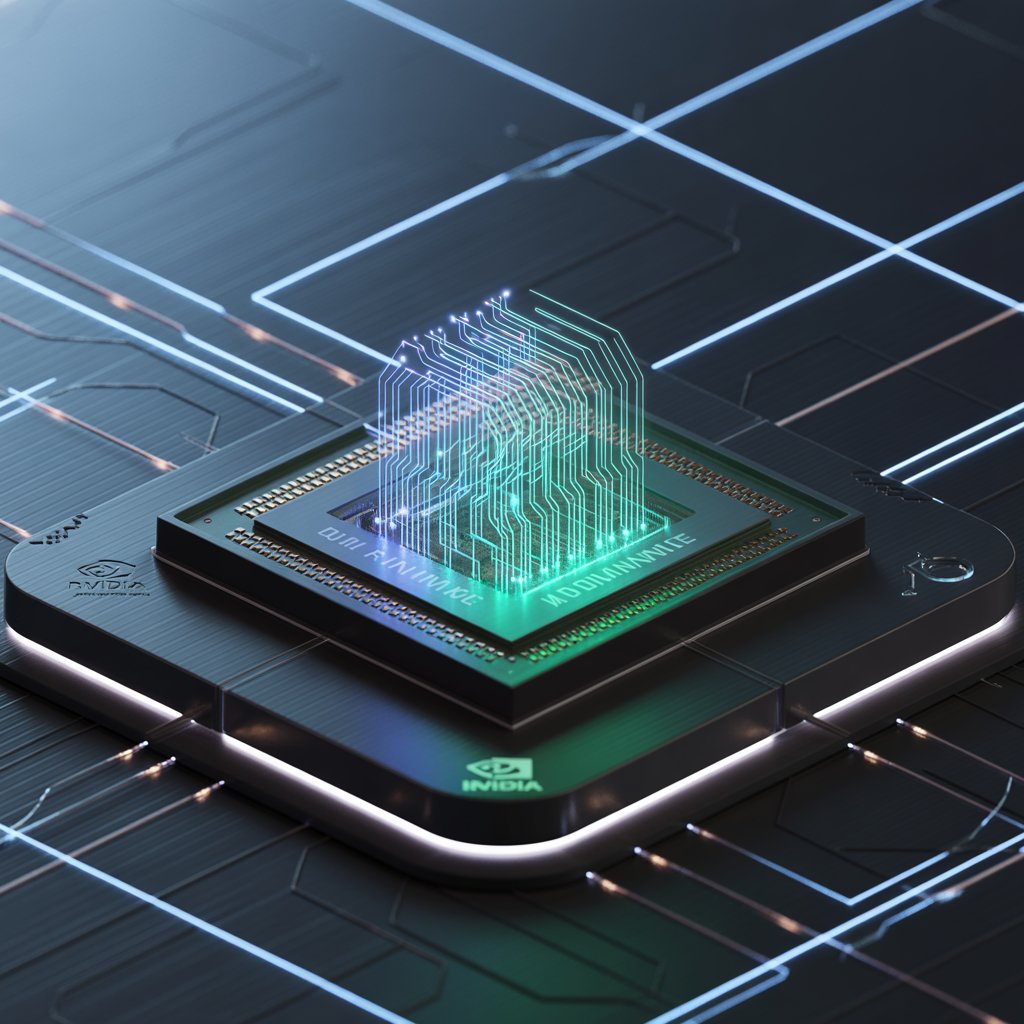
NVIDIA leads the AI chip revolution, making it the most valuable semiconductor firm by market cap (~$2.8 trillion) in 2025.
5. Qualcomm Technologies Inc.
-
Market Share (5G Mobile SoCs): 35%
-
2025 Revenue: ~$42 billion
-
Segment: Fabless (Mobile, Automotive)
-
Flagship Products: Snapdragon 8 Gen 3, Snapdragon Ride
-
Clients: Samsung, Xiaomi, GM, BMW
Financials:
-
Automotive Revenue: $4 billion (projected to hit $9B by 2030)
-
R&D Spend: $9 billion
-
Gross Margin: 57%
Qualcomm is expanding beyond mobile into automotive and XR with a strong AI focus on on-device LLMs.
6. Broadcom Inc.
-
Market Share (Enterprise custom chips): Significant in ASICs, Ethernet, RF
-
2025 Revenue: ~$54–55 billion (Semiconductor + VMware software)
-
Segment: Fabless/Custom Silicon + Infrastructure
-
Flagship Products: Trident/Tomahawk Ethernet, Wi-Fi 7 SoCs
Financials:
-
Operating Margin: 60% (among industry highest)
-
Data Center Chip Revenue: $10–12 billion
-
CapEx: ~$1 billion
-
Key Clients: Apple, Cisco, Google Cloud

Broadcom dominates in network infrastructure and custom ASICs for hyperscalers, enabling AI cluster performance.
7. SK hynix Inc.
-
Market Share (HBM3/DRAM): DRAM (30%), HBM3 (60%)
-
2025 Revenue: ~$40–45 billion
-
Segment: IDM (Memory)
-
Flagship Products: HBM3E, 4D NAND, LPDDR5X
Financials:
-
CapEx: $15 billion (U.S. and Korea)
-
Gross Margin: 43%
-
Key Clients: NVIDIA, AMD, Google
SK hynix is pivotal to the AI revolution, being the top supplier of HBM3/3E memory used in AI GPUs.
8. Micron Technology
-
Market Share (DRAM/NAND): DRAM (23%), NAND (10%)
-
2025 Revenue: ~$32–35 billion
-
Segment: IDM (Memory)
-
Flagship Products: GDDR7, 232-layer NAND, HBM3E
Financials:
-
CapEx: $11 billion
-
R&D Spend: $4 billion
-
Key Focus: Idaho expansion, AI-focused memory
Micron is ramping high-performance memory for GPUs and mobile AI inference, strategically realigning amid China restrictions.
9. Texas Instruments (TI)
-
Market Share (Analog ICs): 19%
-
2025 Revenue: ~$19 billion
-
Segment: IDM (Analog, Embedded)
-
Flagship Products: Sitara MCUs, Battery Management ICs
Financials:
-
Operating Margin: 45%
-
Fab Investments: $14 billion (Sherman, Texas)
-
R&D Spend: $2.5 billion
TI is essential for industrial and automotive systems, making it the quiet giant of the analog chip world.
10. MediaTek Inc.
-
Market Share (Smartphone chips by volume): ~37%
-
2025 Revenue: $21–23 billion
-
Segment: Fabless (Mobile, Consumer, Automotive)
-
Flagship Products: Dimensity 9300, Wi-Fi 7, SmartTV SoCs
Financials:
-
Gross Margin: 48%
-
Key Focus: Mid-range 5G, Automotive Telematics, Edge AI
MediaTek’s cost-performance edge ensures continued leadership in emerging markets and a growing automotive presence.
Bonus Mention: AMD (Advanced Micro Devices)
-
2025 Revenue: $30–33 billion
-
Segment: Fabless (CPUs, GPUs, FPGAs)
-
Key Offerings: MI300X AI GPU, EPYC Genoa, Ryzen 8000
AMD continues to gain server and AI share, with Xilinx integration and TSMC-based designs forming its competitive edge.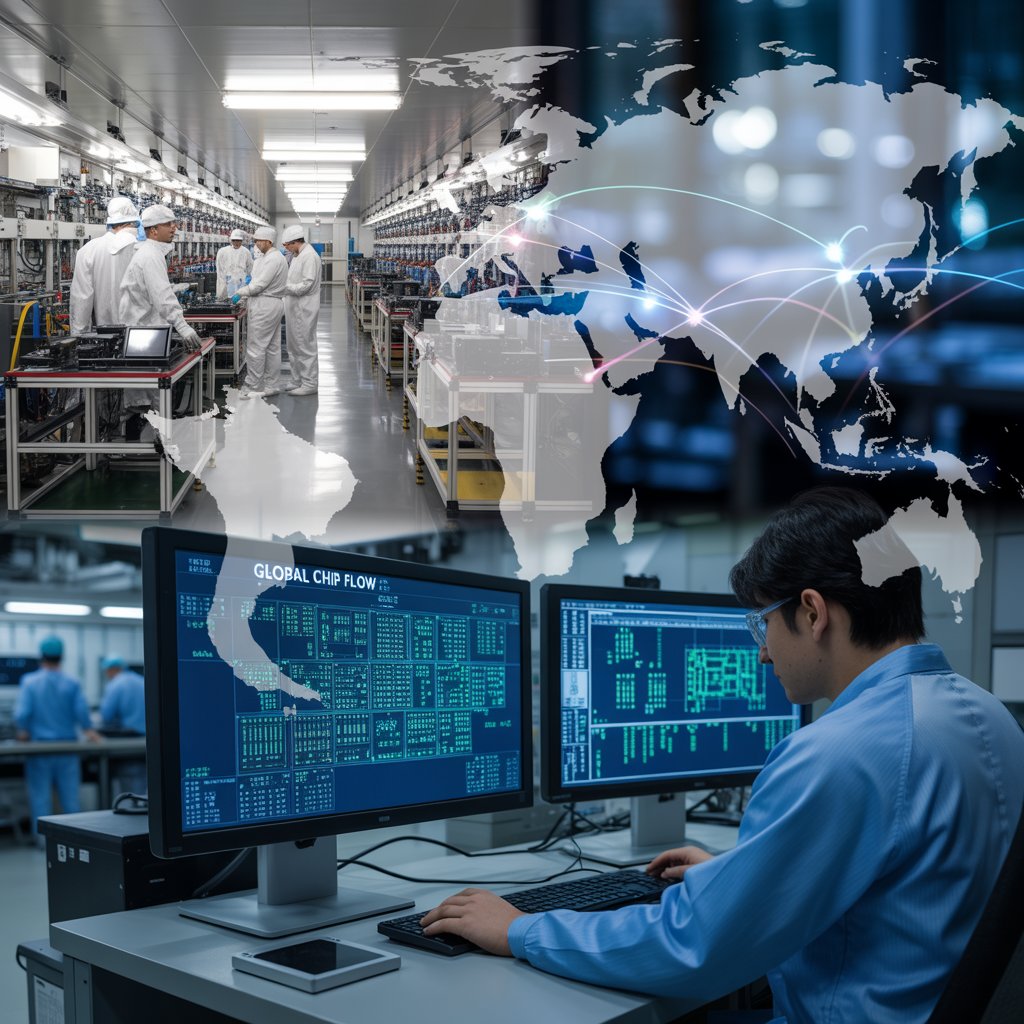
Global Investment & Supply Chain Realignment
-
U.S. CHIPS Act: $52B+ subsidies, Intel, Micron, TSMC, GlobalFoundries
-
EU Chips Act: €43B, Intel, STMicro, GlobalFoundries, Infineon
-
China: $150B+ into domestic fabs, SMIC expansion
-
India: $10B incentives, new fabs with Micron, Tower, and Tata
-
Japan: Rapidus (2nm), collaboration with IBM, and TSMC-Japan fabs
Conclusion
To make it to the Largest Semiconductor Companies in 2025, the semiconductor industry will be a battlefield of innovation, capital, and policy. While TSMC, Samsung, Intel, and NVIDIA dominate by segment, regionally strategic policies, and technological disruption are rapidly reshaping the pecking order.
The coming decade will likely be defined by companies that master AI chip design, advanced packaging, and resilient supply chains while navigating geopolitical fragmentation. Investors, governments, and enterprises must watch these firms closely as they hold the keys to the future of global tech while positioning themselves as the largest semiconductor companies in 2025.