


In a bold move to deepen its technological independence, Xiaomi has announced a massive $6.9 billion investment to accelerate its in-house semiconductor development. The strategic commitment underscores China’s growing ambition to achieve self-reliance in advanced chipmaking amid ongoing geopolitical and supply chain pressures.
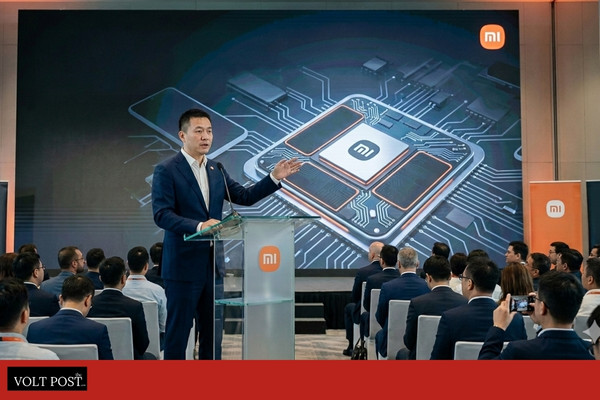
According to company statements, the investment will be spread over several years and focus on strengthening Xiaomi’s capabilities in AI chips, connectivity processors, and next-generation mobile SoCs.
The company plans to expand R&D centers, hire top chip engineers, and invest in long-term ecosystem partnerships to power its smartphones, connected devices, and electric vehicles.
The decision aligns with China’s nationwide push for semiconductor independence, a key priority under its broader “Made in China 2025” strategy.
As Western export restrictions continue to impact access to advanced chip technology, Chinese firms like Huawei, Alibaba, and now Xiaomi are accelerating domestic design and manufacturing efforts.
Xiaomi’s extensive product portfolio including smartphones, IoT hardware, smart home devices, and its recently launched SU7 electric vehicle gives it multiple platforms to leverage custom silicon. The company’s prior ventures, such as the Surge series of in-house chips, laid early groundwork, but this new funding marks a significant escalation in scale and ambition.
Industry analysts view the move as both defensive and visionary. While global semiconductor leaders such as Apple, Samsung, and Google have long pursued proprietary chip design for performance control, Xiaomi’s entry signals that Chinese consumer-tech giants are serious about narrowing the technology gap.
If executed effectively, Xiaomi’s investment could reshape the semiconductor landscape by enabling it to optimize hardware-software performance across device categories reducing reliance on suppliers like Qualcomm, MediaTek, and TSMC.
Xiaomi’s announcement comes amid rapid innovation across China’s chip design ecosystem and increasing global attention on AI accelerators, edge computing, and automotive-grade processors. The company’s push into custom semiconductors positions it squarely in these high-growth markets.
With global demand for AI-driven devices surging, the move strengthens Xiaomi’s credentials not just as a smartphone maker but as a fully integrated smart technology ecosystem company built on homegrown silicon.
 Leadership Comment
“Entering the next phase of intelligent technology means building our own foundation in semiconductors,” said Lei Jun, Xiaomi’s founder and CEO. “We’re not just catching up we’re building the core competitiveness needed for the next decade of innovation.”