



Honeywell has introduced a new gas sensor that uses optical non-dispersive infrared (NDIR) technology to detect flammable gases such as methane, propane and butane in industrial environments. It’s aimed at improving protection for workers and critical assets in sectors like mining, oil and gas, petrochemicals and plastics manufacturing.
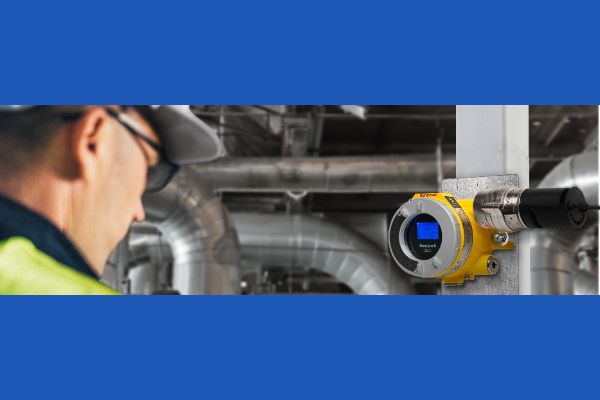
The 4-Series NDIR Hydrocarbon Gas Sensor is built to be integrated into both fixed installations and portable gas detectors that workers carry in the field, deep underground or throughout processing facilities.
These detectors rely on highly accurate, advanced sensors to warn personnel quickly when hazardous gas levels are present.
Because these detectors often face harsh real-world conditions dusty mines, methane leaks, and large swings between indoor and outdoor temperatures, the NDIR sensor is engineered for durability and reliability across a wide range of environments.
It includes an integrated condensation reduction system that helps clear excess moisture, so it can maintain stable performance in humid locations and confined spaces such as refineries.
Unlike traditional pellistor or catalytic bead sensors, which can degrade or become “poisoned” over time in tough environments, the NDIR sensor offers high resistance to poisoning.
That helps lower the risk of sensor failure and cuts down on nuisance false alarms. Thanks to its infrared-based operation, it also consumes less power than many conventional flammable gas sensors, extending operating life and helping portable gas detectors run longer on a single battery charge.
 Leadership Comment
“In gas detection, the accuracy, precision and reliability of the sensing solution is crucial for worker safety,” said Carmen Becker, president of Honeywell Sensing Solutions. “Our new flammable gas sensor is an example of how Honeywell is using extensive domain expertise and introducing innovative technology to strengthen operational safety in industries critical to global infrastructure.”
To Know More on Innovations In Sensing, Gas Detection And Safety Technologies, CLICK HERE.