


A new breakthrough in liver cancer research comes from Dr. Vadim Jucaud’s laboratory at the Terasaki Institute for Biomedical Innovation, where scientists have developed a vascularized “embolization-on-a-chip” model tailored for testing and optimizing embolic agents.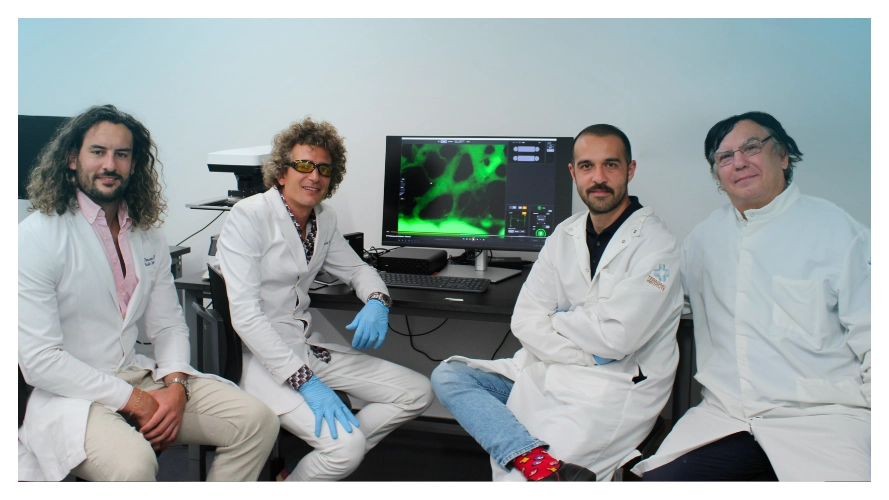
This platform offers a human-relevant alternative for preclinical therapy development while aligning with international movements to reduce animal-based experimentation.
Human-Relevant Microfluidic Platform Redefines Liver Cancer Research
The innovative model faithfully reflects the microenvironment of primary liver tumors, directly replicating perfusable capillary-like vasculature that can be occluded—a key challenge in embolic therapy targeting hepatocellular carcinoma.
Unlike traditional animal or static cell culture models, the device integrates a three-dimensional tumor spheroid enveloped by engineered blood vessels within a dynamic organ-on-a-chip system.
This setup enables researchers to simulate clinical embolization through controlled catheter delivery of embolic agents, instantly measuring impacts through tumor cell viability, vessel response, and detailed biomarker analysis.
Advancing Precision Oncology While Reducing Animal Testing
This next-generation testing platform emerges at a time when regulatory and scientific stakeholders—including the National Institutes of Health—are prioritizing alternatives to animal models.
By mimicking the functional and pathological interplay of human liver tumor microvasculature, the embolization-on-a-chip model advances the study of crucial phenomena such as tumor hypoxia, immune cell infiltration, and angiogenic signaling following therapy.
Dr. Jucaud emphasized that the technology brings the field closer to precision oncology, accelerating preclinical assessment and clinical translation of novel therapeutic agents for liver cancer.
Paving the Way for Next-Generation Embolic Therapies
The Terasaki Institute’s achievement underscores growing momentum for organ-on-a-chip platforms as the gold standard for benchtop disease modeling and drug discovery.
As this technology is further validated, it promises to reduce reliance on animal models and expedite the journey of innovative embolic agents from laboratory to patient care—potentially transforming outcomes for people affected by liver cancer worldwide.
Leadership Comment
Dr. Vadim Jucaud, Principal Investigator, stated: “Our team is committed to advancing translational medicine by creating platforms that closely emulate human biology. The embolization-on-a-chip model marks a turning point in liver cancer research and embodies our drive to deliver ethically responsible innovation that accelerates progress for patients facing life-threatening disease”.