



FPT Corporation has officially kicked off trial operations at its new chip testing and packaging plant in Bac Ninh. Entirely Vietnamese-owned and operated, the facility is designed to process up to 300 million chips a year across six production lines, marking a critical step in the country’s push to climb the global silicon value chain.
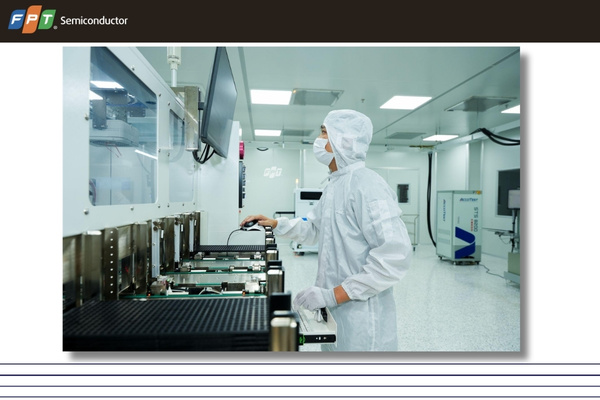
Located in the Yen Phong II-C Industrial Park, the 1,600-square-meter plant is geared strictly for high-volume, precision testing. Inside Class 10,000 (ISO Class 7) cleanrooms, FPT is running Automated Test Equipment (ATE) paired with Handler systems to run pass/fail diagnostics.
But the engineers are doing more than basic functional checks; they are physically stress-testing the silicon against extreme temperatures, rapid thermal cycling, and humidity to guarantee long-term reliability. To speed this process up, FPT is actively developing an in-house, AI-powered platform to automate the creation of custom test programs for different chip architectures.
To compete globally, the facility is locked down with strict electrostatic discharge (ESD) controls and operates under a full suite of ISO standards for quality, environmental impact, and safety. The compliance is already translating to business, with the plant expected to fulfill its first major chip testing order for a South Korean partner shortly.
Hardware is only half the battle in the semiconductor industry; the real bottleneck is talent. To run the floor, FPT brought in a team of industry veterans, including specialists with years of experience at Intel’s Vietnam operations.
They are also turning the commercial plant into a live training ground. Starting in December 2026, a pilot program with FPT Polytechnic College will put students directly on the production lines, giving them hands-on exposure to actual ATE and packaging workflows before they even graduate.
With a decade of semiconductor experience already under its belt, FPT is using this testing facility as a launchpad. The company plans to scale into advanced chip packaging next, building out an end-to-end domestic ecosystem that could cement Vietnam’s status as a key alternative hub for global semiconductor manufacturing by 2030.
To Know More: CLICK HERE