


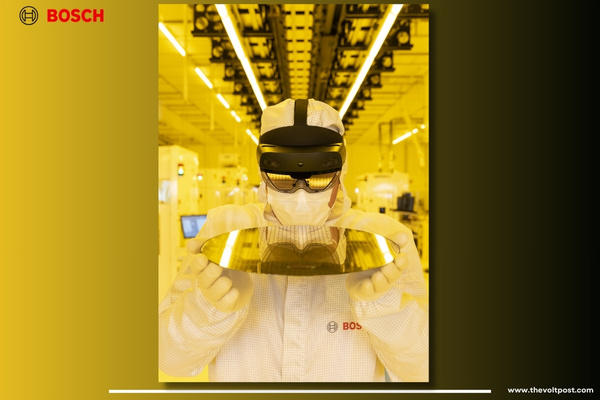
Bosch is gearing up for a massive silicon push. To capitalize on the exploding hardware demand driven by artificial intelligence and robotics, the German engineering giant is spinning out its chipmaking operations into a newly dedicated “Semiconductors Division”, effective January 1, 2028.
The structural overhaul is aimed at a highly specific target, generating €5 billion in semiconductor sales by 2030.
Currently housed under the company’s Mobility Electronics unit, the new standalone division will remain within the broader Bosch Mobility sector but operate with the agility required for the modern silicon market.
Chasing the AI and Robotics Boom
The reorganization of a dedicated Semiconductors Division is a direct response to a rapidly shifting hardware landscape, states its official press release. According to a recent McKinsey study, generative AI alone will require an additional 3.6 million wafers annually by 2030.
Meanwhile, data from Strategy& and the German Electro and Digital Industry Association (ZVEI) projects that robotics and industrial automation will double Europe’s semiconductor demand by 2040.
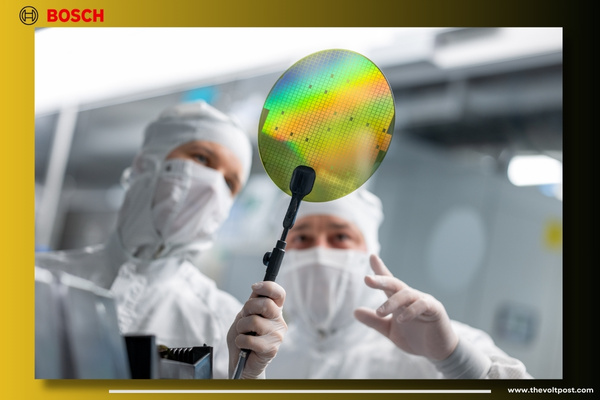
While automotive systems and consumer wearables remain foundational, Bosch is aggressively targeting the robotics sector. The company’s chips are already actively used to control humanoid robots and smart vacuums.
Moving forward, Bosch also plans to systematically expand its foundry business, opening up its manufacturing capacity to external partners rather than just building chips for its own hardware.
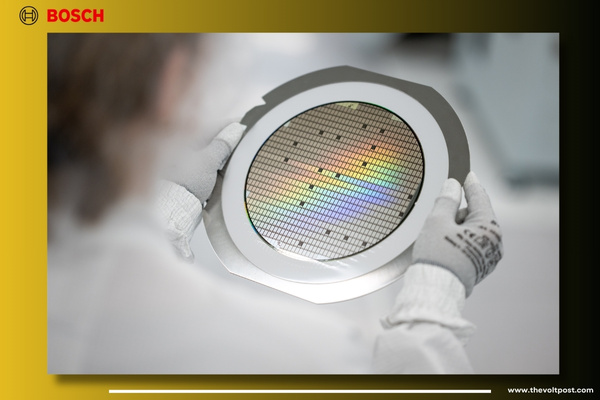
Billions in Global Fab Investments
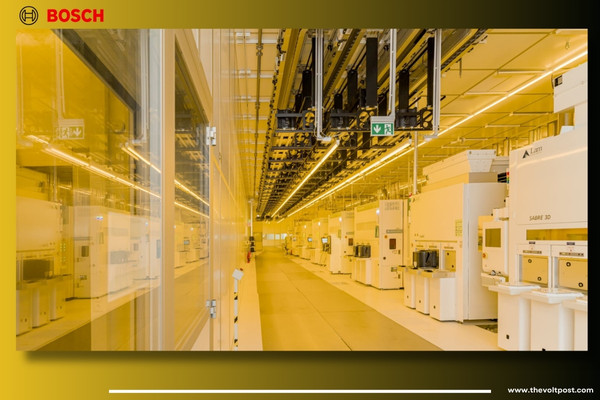
Bosch is backing the new division with heavy capital expenditure across its 40 global semiconductor R&D and manufacturing sites. Recent investments include:
- Germany: Approximately €3 billion poured into its Dresden and Reutlingen wafer fabs, alongside a 10 percent stake in the European Semiconductor Manufacturing Company (ESMC) joint venture in Dresden.
- United States: A $2 billion investment to equip its Roseville, California plant for specialized silicon carbide (SiC) manufacturing.
- Malaysia: Plans to significantly expand its test center in Penang by the mid-2030s to strengthen supply chain resilience.
Following the formal split in January 2028, Bosch’s existing Mobility Electronics division will pivot to focus exclusively on electronic control units (ECUs) and power electronics for the company’s in-house automotive business.
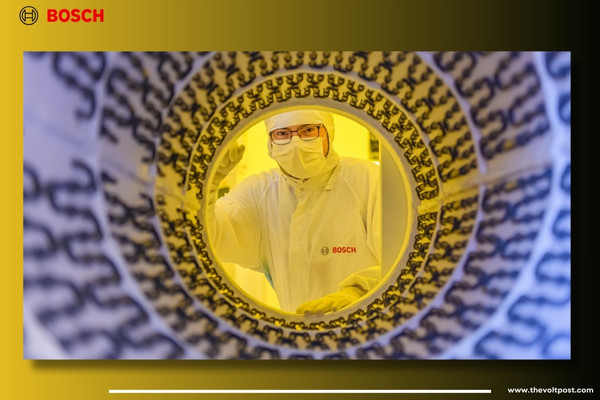
Leadership Comment
“By establishing our own unit, we’re opening a new chapter in our more than 60-year history in the semiconductor industry,” said Erik Rein, head of Bosch semiconductor business. He noted that the new structure will allow the company to better leverage its core market leadership in MEMS sensors, silicon carbide (SiC) chips, and application-specific integrated circuits (ASICs).
To Know More: CLICK HERE