TSMC Advances Circular Economy with Breakthrough in Chemical Recycling
TSMC continues to lead in sustainable manufacturing by building a fully circular green ecosystem. Through its Electronic-Grade Chemical Recycling Program, the company has successfully reclaimed and reused key chemicals such as Isopropanol (IPA), Tetramethyl Ammonium Hydroxide (TMAH), and Cyclopentanone within its fabs.
In 2025, TSMC expanded this initiative by partnering with suppliers to develop waste liquid reuse technology for Propylene Glycol Monomethyl Ether (PGME) and Propylene Glycol Monomethyl Ether Acetate (PGMEA) widely used organic solvents in the semiconductor photolithography process.
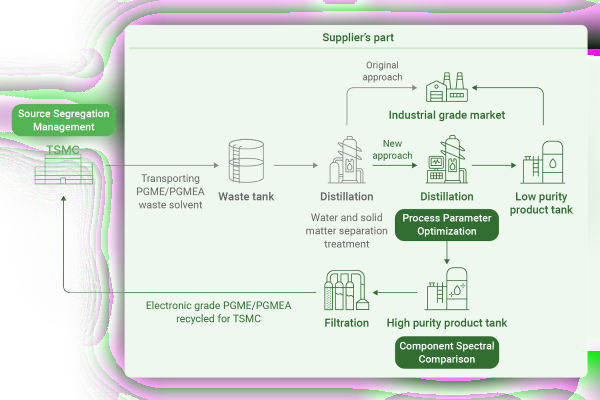
Leveraging three key operational procedures
Source segregation management, process parameter optimization, and component spectral comparison
TSMC can now reprocess waste liquids into electronic-grade PGME and PGMEA that meet its stringent quality standards.
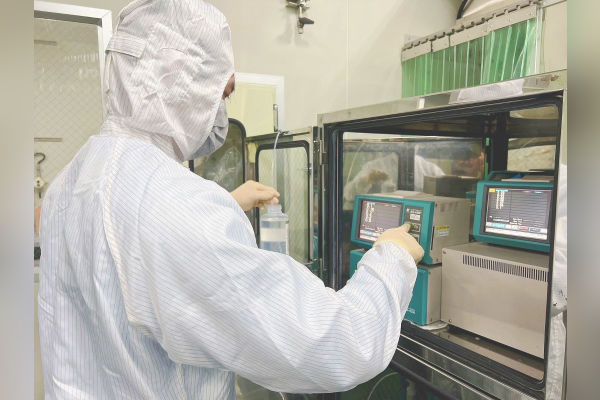
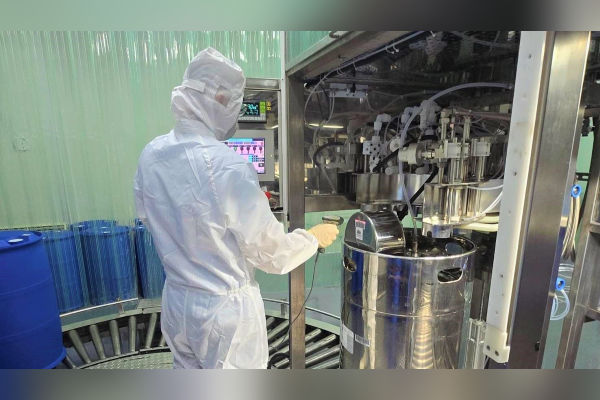
This breakthrough was successfully validated at Fab 15B and Fab 18A in January 2026, with deployment planned across Fab 14B, Fab 15A, Fab 15B, Fab 18A, and Fab 18B in the second quarter of 2026. Once fully implemented, the initiative is expected to reduce new chemical procurement by 16,000 metric tons per year and cut carbon emissions by 31,100 metric tons annually, realizing true cradle-to-cradle circularity.
Waste Solvent Turns into High-Purity Raw Material
PGME and PGMEA are critical to photolithography used in chip cleaning, photoresist dilution, and equipment maintenance. Traditionally, used solvents were resold for industrial applications such as coatings, inks, or textiles after preliminary treatment. However, as semiconductor manufacturing advances, so does the demand for high-purity versions of these solvents.
To meet this need, TSMC and its partners invested in refining waste liquid recycling and regeneration technologies.
They tackled key challenges, such as separating solvents with different boiling points and improving the purity essential to electronic-grade reuse. Through enhanced source management, waste liquids are now precisely classified by purity.
Adjustments to distillation column parameters help remove organic impurities and metal ions, ensuring the recovered raw materials achieve optimal purity and high esterification reaction yields.
To verify quality, suppliers conduct organic component spectral comparisons on every batch before shipment ensuring the regenerated PGME and PGMEA meet semiconductor-grade reliability and performance standards.
True to its mission as a Practitioner of Green Power, TSMC actively supports the United Nations Sustainable Development Goal 12: Responsible Consumption and Production.
The company continues to collaborate with suppliers to develop advanced purification and recovery technologies for a broad range of chemical waste streams. Beyond PGME and PGMEA, feasibility studies are underway for n-Butyl Acetate (NBAC) and Hydrofluoric Acid (HF) reuse.
Through these efforts, TSMC is setting new industry benchmarks for resource circularity, ensuring that environmental responsibility and technological innovation move forward together.
TVP Bureau is The Volt Post’s internal Editorial Team, dedicated to providing in-depth coverage of the Tech B2B ecosystem. The team is tasked with tracking the latest trends and developments across the tech industry, with a strong focus on emerging technologies and innovations. They are responsible for creating insightful editorial content, managing event coverage, and conducting research on new breakthroughs shaping the industry. TVP Bureau also plays a key role in ensuring that The Volt Post remains a trusted resource by staying ahead of the curve in reporting real-time news, views, and strategic industry insights




 This breakthrough was successfully validated at Fab 15B and Fab 18A in January 2026, with deployment planned across Fab 14B, Fab 15A, Fab 15B, Fab 18A, and Fab 18B in the second quarter of 2026. Once fully implemented, the initiative is expected to reduce new chemical procurement by 16,000 metric tons per year and cut carbon emissions by 31,100 metric tons annually, realizing true cradle-to-cradle circularity.
 Setting New Benchmarks for Sustainable Manufacturing