Independent cycle life testing on pouch cells using Integrals Power’s UK-developed Lithium Manganese Iron Phosphate (LMFP) cathode material has confirmed its outstanding toughness and longevity.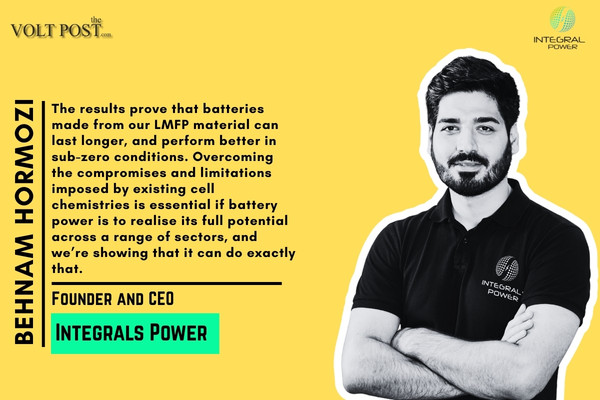
QinetiQ’s ongoing cycle life tests have now hit over 1,500 full charge-discharge cycles at a 1C rate, with the cells still holding nearly 80% of original capacity.
 They passed the 1,000-cycle mark last year above 80% retention, a game-changer for EV battery packs that need to stay healthy over years of heavy use. This kind of durability means higher resale values, fewer warranty headaches, and more trust from EV buyers ready to go all-electric.
Cranfield University’s sub-zero tests tackled cold-weather woes head-on. Cells from the same batch delivered 85% capacity at -25°C and 68% at -30°C smoking typical LFP (50%) and other LMFP (40%) chemistries.
No more winter range anxiety for EVs, or crippled drones and military vehicles in arctic ops.
Beyond endurance, Integrals Power‘s LMFP brings cheaper production, top safety, lower toxicity, fewer scarce minerals, and a lighter carbon footprint than dominant NMC packs. Plus, it packs way more energy than LFP, which is grabbing market share fast.
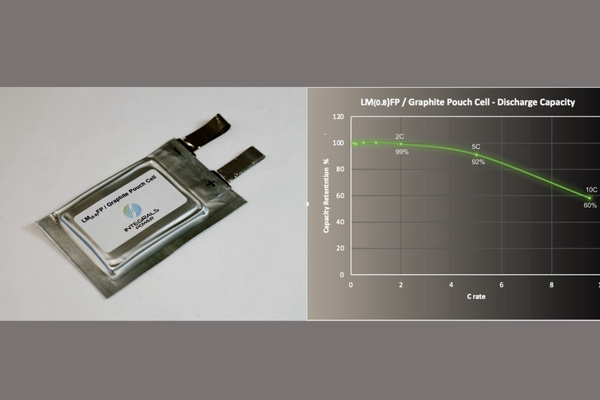 These results cement LMFP as a legit breakthrough for EVs, ships, planes, and defense where performance can’t cut corners.
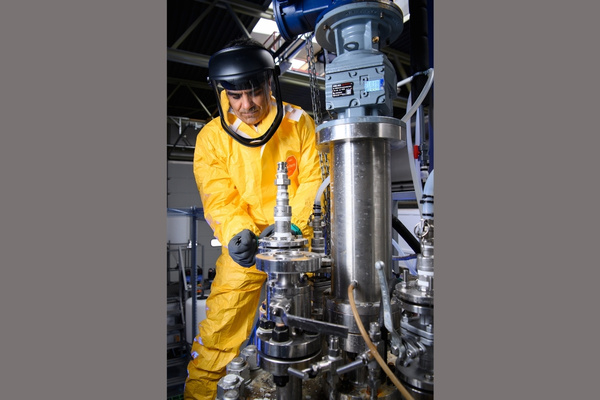
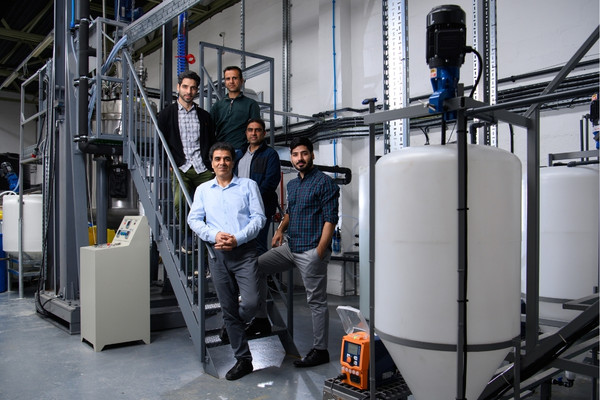
Integrals Power manufactured the LMFP cathode for these tests right at its UK pilot plant, using raw materials sourced exclusively from Europe and North America.
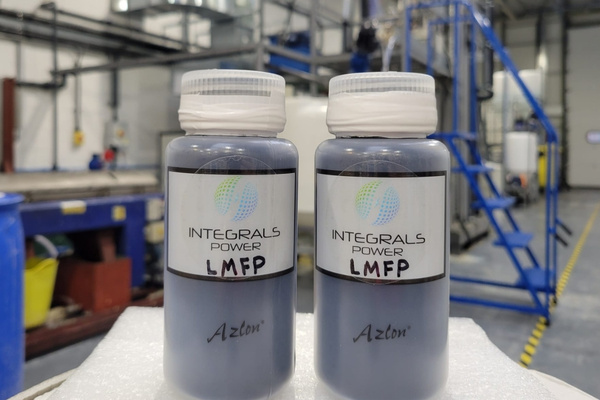 This proves the material can break the global auto industry’s heavy dependence on China, while also building secure, transparent supply chains vital for surging battery needs in defense applications.
Beyond its international patents on LMFP, the company holds patents on innovations across more than 20 cathode materials including LFP showing this chemistry is far from a basic commodity. It offers huge untapped potential, especially in uses where cost and safety top the priority list.
 Leadership Comments
Integrals Power Founder and CEO, Behnam Hormozi, said: “Independent, third-party testing by industry experts is a cornerstone of our business, and these latest results from QinetiQ and the University of Cranfield are invaluable in providing trusted and credible data to our customers around the world. The results prove that batteries made from our LMFP material can last longer, and perform better in sub-zero conditions. Overcoming the compromises and limitations imposed by existing cell chemistries is essential if battery power is to realise its full potential across a range of sectors, and we’re showing that it can do exactly that.”