


Micron Technology has inked a game-changing deal with Taiwan’s Powerchip Semiconductor Manufacturing Corp (PSMC) to snap up a key fabrication site, promising a swift boost to its DRAM production amid skyrocketing AI demand.
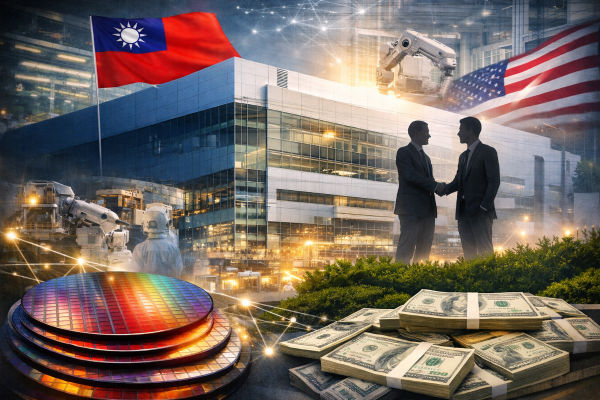
The $1.8 billion acquisition of PSMC’s Tongluo P5 fab complete with 300,000 square feet of cleanroom space offers Micron a ready-made shortcut around the years-long timelines of building new plants from scratch.
Analysts peg this move as potentially lifting Micron’s overall DRAM output by 10-15% once fully ramped, easing the ongoing memory shortages gripping the market.
Inside The Letter of Intent
Under the exclusive Letter of Intent signed January 17, Micron gains control of the 300mm fab in Miaoli County, Taiwan, with closure eyed for Q2 2026 pending approvals.
PSMC will shift its operations elsewhere during a phased handover, letting Micron equip and fire up DRAM lines progressively.
Output kicks in meaningfully by late 2027, complementing Micron’s massive U.S. builds like the $100 billion New York megafab and Idaho expansions that won’t hit stride until 2029 or later.
Long-Term Collaboration Perks
Beyond the buyout, the pact forges a lasting partnership: Micron taps PSMC for advanced DRAM packaging and post-wafer services, while sharing know-how to upgrade PSMC’s specialty DRAM tech at its Hsinchu P3 site.
This setup lets Micron flood the market faster with high-bandwidth memory for AI servers, where demand has spiked amid unprecedented shortages.
PSMC, meanwhile, nets cash to pivot toward AI supply chain niches like 3D WoW packaging and power ICs, ditching low-margin legacy lines.
 Key Comments
“This strategic acquisition will enable Micron to increase production and better serve our customers in a market where demand continues to outpace supply,” said Manish Bhatia, Micron’s EVP of global operations, praising the site’s synergy with their Taichung ops.
PSMC Chairman Dr. Frank Huang called it a “win-win,” noting AI’s DRAM boom makes Tongluo a “strategic pivot” to join Micron’s packaging chain and bolster Taiwan’s semiconductor edge. Both see it fortifying supply chains without production hiccups during the transition.