


Walter Zheng, R&D and Innovation, Connectivity & Products, at SGS, the world’s leading testing, inspection and certification company, explores the key trends, market drivers and regulatory challenges shaping the global energy storage systems (ESS) industry.
As the demand for cleaner, more efficient energy rises, energy storage systems (ESS) have formed the foundation of many modern energy solutions for homes, industry, transportation, and infrastructure.
They increase the reliability of renewable energy sources such as solar and wind while also improving grid stability and energy efficiency. But what are the major trends affecting the worldwide ESS industry, and what solutions are accessible to manufacturers and suppliers?
Energy Storage Systems refers to technologies that store energy for future use. Batteries for everything from portable devices to electric vehicles (EV) are part of systems that also include pumped hydro storage, compressed air energy storage (CAES), thermal energy storage, and flywheel energy storage. Each ESS has a specialized application based on the size, cost, and speed of energy transmission required.
Market drivers
The global market for energy storage systems is expanding rapidly. Valued at USD 468.2 billion in 2024, it is projected to reach USD 1,200 billion by 2031, reflecting a compound annual growth rate (CAGR) of 15.2%.[1]
This expansion is being driven by a variety of factors, including the energy transition, rising renewable energy adoption, and transportation electrification. Technical breakthroughs, including as improvements in battery chemistry, increased energy density, longer lifespan, and improved recyclability, have also played an important role.
Incentives such as the Investment Tax Credit (ITC) for Energy Property (26 US Code § 48) have fueled industry growth. This initiative, funded by the US Department of Treasury, offers a 30% tax credit for standalone energy storage systems.[2]
Governments around the world are aggressively encouraging the use and integration of energy storage systems. In the United States, the Federal Energy Regulatory Commission (FERC) has issued policies to encourage storage deployment.
Order No. 841 compels grid operators to incorporate storage-specific reforms into wholesale capacity, energy, and ancillary service markets, allowing energy storage systems to better participate in grid operations. Furthermore, Order No. 2222 encourages the integration of distributed energy resource (DER) aggregations, such as ESS, into wholesale markets, thereby boosting energy distribution flexibility and efficiency.
California is taking proactive efforts by enacting legislation to ensure that new residential homes are battery storage ready, thereby contributing to grid stability. These laws are applicable to single-family residences, duplexes, townhomes, and accessory housing units.
To ensure safety and grid reliability, individual ESS devices are limited to a maximum rating of 20 kWh, while total aggregate storage within utility closets, basements, and storage or utility areas is limited to 40 kWh. Local authorities with jurisdiction (AHJ) may have their own requirements, which adds another degree of complication.
Governments across the globe continue to introduce new regulations and incentives to facilitate renewable energy adoption while ensuring the safety of Energy Storage Systems.
For example, in the European Union, Regulation (EU) 2023/1542 on batteries and waste batteries came into effect on February 18, 2024,[3] while standards such as UL 9540A (thermal runaway testing) for residential battery ESS and IEC standards for grid-connected systems play a key role in regulating this growing market.
Additionally, manufacturers must consider a growing number of market-specific regulations governing per- and polyfluoroalkyl substances (PFAS) in battery components.
However, managing this changing regulatory framework remains difficult due to policy uncertainty, shifting incentives, and legislative changes.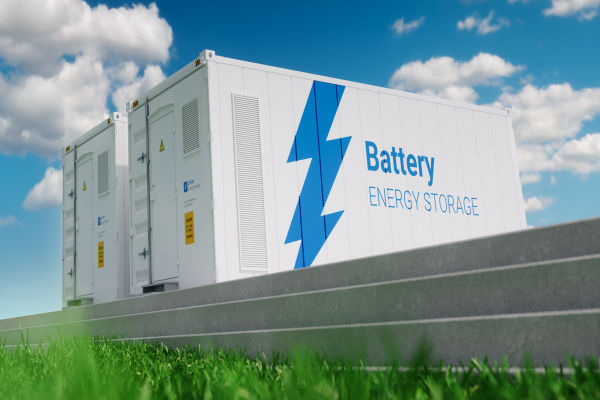
Simultaneously, high-profile ESS-related fire events have increased the emphasis on thermal management, fire suppression systems, and safety regulations. To avoid noncompliance, firms must keep up with safety protocols, grid connectivity requirements, and building codes.
Challenges for industry
The energy storage systems industry faces several challenges, with regulatory compliance at the forefront. Companies must meet a series of critical safety and performance standards, such as UL 1973, UL 9540, UL 9540A, IEC 62619, IEC 62620, IEC 63056, IEC 62477-1 and the IEC 62933 series. Failure to comply can result in costly delays, fines or market bans, making regulatory adherence a top priority.
Linked to compliance is risk mitigation. Safety concerns, such as thermal runaway, pose significant liability and reputational risks. To prevent these hazards, companies must maintain the highest safety standards, ensuring both consumer confidence and industry credibility.
Market competition continues to intensify as consumers demand ESS solutions with higher energy density, faster charging and longer battery life. To stay ahead, companies must not only innovate but also keep pace with rapid technological advancements. At the same time, sustainability has emerged as a crucial differentiator.
Customers increasingly prioritize environmentally friendly, PFAS-free and recyclable products, compelling manufacturers to adapt and align with these expectations to maintain a competitive edge.
Finally, cost efficiency remains an ongoing challenge. Companies must strike a balance between reducing production costs, investing in new technology, maintaining regulatory compliance and meeting consumer expectations. Successfully navigating these competing demands is essential for long-term success in the ever-evolving ESS market.