



AI-powered dashcams are strengthening road safety. Unlike conventional cameras that record incidents for later review, AI-enabled dashcams analyse driver behaviour in real time, detecting signs of drowsiness, distraction, mobile phone usage and seatbelt violations.

A few seconds of not paying attention can change the course of a journey in a different direction. Fleet operators or drivers who spend a lot of time on the highways, making deliveries, and driving at night are always at risk of getting tired. Driver fatigue isn’t always easy to see right away, unlike mechanical failures.
This makes it hard for fleet workers to spot before it affects driving performance. As the logistics and transport industry in India grows, this risk is becoming a bigger part of road safety.
Long-haul drivers often have to deal with monotonous routes, tight schedules, and few chances to get enough rest. Over time, being tired can make it harder to focus, react, and make decisions. Even a short lapse in attention can have bad results, not only for the driver but also for passengers, other people on the road, and businesses that depend on on-time transportation.
According to the National Crime Records Bureau (NCRB), 1.99 lakh people lost their lives in traffic accidents in India in 2024, of which 1.75 lakh (88%) were due to road accidents. The figures highlight the urgent need to strengthen road safety measures and improve accident prevention. While driver fatigue is not always recorded as a direct cause of accidents, its impact on concentration, reaction time and driving ability makes early detection an important area of intervention.
This is where AI-powered dashcams are strengthening road safety. Unlike conventional cameras that record incidents for later review, AI-enabled dashcams analyse driver behaviour in real time, detecting signs of drowsiness, distraction, mobile phone usage and seatbelt violations. Timely alerts allow drivers to correct their behaviour before risks escalate.
When integrated with vehicle telematics, these systems also help fleet operators identify recurring safety concerns, monitor driving patterns and improve driver training. This shifts fleet safety from post-incident monitoring to proactive risk prevention.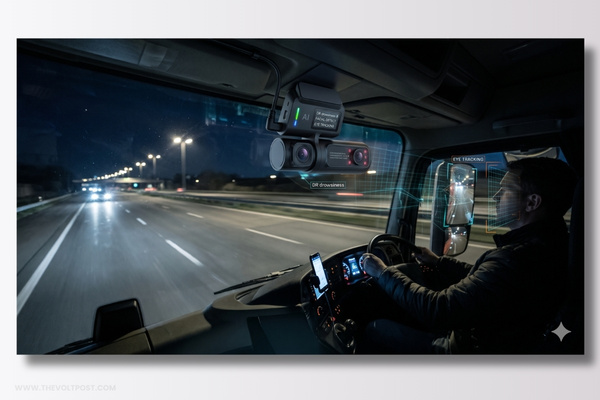
“Road safety cannot rely on human endurance alone. Drivers get tired, distracted and overwhelmed, and that is a reality, not a failure. The role of technology is to step in before a mistake becomes an accident. AI-powered telematics and AI dashcams are changing the conversation from reacting to incidents to preventing them, making our roads safer for everyone. By providing real-time insights into driver behaviour, these technologies help fleet operators recognise risks that may otherwise go unnoticed,” says Rahul Mehra, Co-founder of Roadcast.
“More importantly, they create opportunities to address unsafe driving habits through timely alerts, regular monitoring and better driver awareness. We need to look at road safety as a shared responsibility, where drivers, fleet operators and technology work together. As the transport sector continues to grow, building safer fleets will require a stronger focus on prevention, accountability and the well-being of drivers,” added Rahul Mehra, Co-founder of Roadcast.

Ultimately, the future of road safety will depend not just on better infrastructure but also on intelligent systems that help protect drivers and everyone sharing the road.