


Tire pressure monitoring is moving from a “nice-to-have” to a must-have as fleets and riders look to cut costs, boost safety and avoid roadside breakdowns. At electronica India in September 2026, Bosch will showcase the next step in its SMP290 tire pressure sensor, a compact MEMS (micro-electromechanical system) device with an integrated Bluetooth Low Energy (BLE) interface designed for smarter, more predictive tire sensing.
Why tire monitoring matters more in India
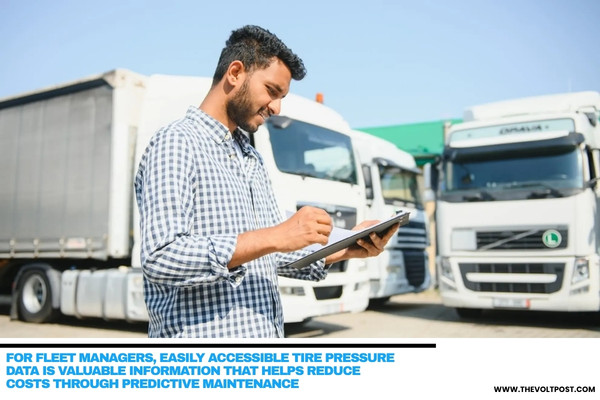
For commercial fleets, tires are the second-biggest operating cost after fuel, so squeezing extra life from each tire has a direct impact on margins.
Low pressure increases the risk of blowouts, downtime and delayed deliveries, pain points in a large country like India where long hauls, heavy loads and harsh roads are common. Trailers, in particular, are often a blind spot, with their tire conditions poorly monitored compared to tractor units.
Accurate monitoring helps extend tire life, reduce fuel consumption and prevent accidents, which is why TPMS is gaining traction across motorcycles, cars, buses, trucks and trailers.
From pressure checks to true tire-condition monitoring
Until now, the SMP290 tire pressure sensor has been offered mainly for valve-based TPMS. That setup measures air pressure accurately, but it can miss some critical events because it doesn’t directly track the tire’s condition.
The newer in-tire mounting approach changes that, by monitoring both pressure and the tire’s actual rubber temperature, the system can flag overheating or abnormal wear earlier and issue warnings based on real tire health.
The SMP290 packs all key TPMS functions, microcontroller, 2-axis accelerometer, pressure sensor, temperature sensor and BLE radio into a one-chip solution. That integration keeps power draw very low, supporting battery life of up to ten years, which is especially important for two-wheelers and trailers where frequent battery changes are impractical.
Smartphone access and fleet-wide visibility
Thanks to the built-in Bluetooth link, tire data can be read directly via a smartphone app or fed into fleet management platforms.
Riders and drivers get instant notifications about pressure and temperature, helping them catch slow leaks before they turn into failures.
Fleet operators, meanwhile, gain tire-level transparency across the entire fleet, reducing the need for manual checks at depots and enabling predictive maintenance based on objective lifecycle data.
Two-wheelers: a big safety opportunity
In India, motorcycles and scooters account for the majority of vehicles on the road, yet TPMS adoption in this segment has lagged behind cars and commercial vehicles.
The SMP290’s small size, long battery life and BLE connectivity make it a strong fit for two-wheeler applications, where a simple phone check can alert riders to under-inflation or slow leaks that affect handling and safety.auto.economictimes.
Local ecosystem and support
Bosch is leveraging its long-standing MEMS expertise to support customers beyond the sensor itself, offering software integration help from initial setup through power and memory optimisation for specific applications.
In India, the company is working with several firms focused on direct TPMS and smart sensor technology to deploy the SMP290 in commercial vehicles and two-wheelers. The sensor is distributed locally through Millennium Semiconductors.
Customers in India can see the SMP290 in action from September 16–18, 2026, at Electronica India in Bangalore.
Five reasons fleets and riders are looking at the SMP290
- Flexible mounting: Works in both valve-based and in-tire sensor configurations.
- Bluetooth connectivity: Fully integrated TPMS with BLE for easy wireless data access.
- Ultra-low power: One-chip design minimizes consumption and extends battery life.
- Smartphone access: Real-time tire status and alerts on mobile devices.
- Predictive tire management: Higher uptime, safer operations, fewer delivery disruptions and lower total operating costs.
To Know More: CLICK HERE