3nm GAA technology is marked by both innovation and obstacles. The company’s focus on enhancing existing 7nm processes and exploring alternative manufacturing techniques reflects a strategic approach to circumvent current limitations.
Huawei is making significant strides in semiconductor development, aiming to overcome technological barriers and geopolitical challenges. Despite U.S. sanctions limiting access to advanced chip-making equipment, Huawei is focusing on enhancing its 7nm chips capabilities and exploring innovative approaches to achieve 3nm Gate-All-Around (GAA) technology.

© The Volt Post 2025
Huawei’s Focus on 7nm Chips Technology
Huawei’s Executive Director and CEO of Huawei Cloud, Zhang Pingan, emphasized the company’s current focus on resolving issues related to 7nm chip technology. He stated, “We will not get 3nm, and we will not get 5nm. It would be very, very good if we could solve 7nm.” This approach involves improving chip architecture, bandwidth, and energy efficiency to mitigate existing limitations.
Innovative Approaches to 3nm GAA Development
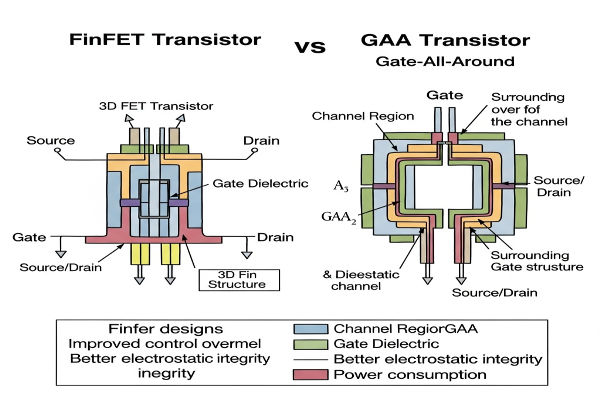
© The Volt Post 2025
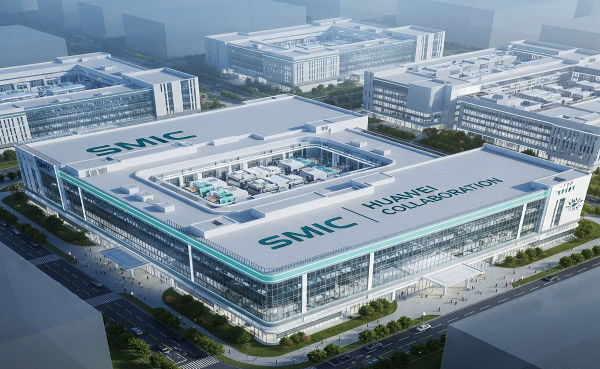
While direct access to Extreme Ultraviolet (EUV) lithography equipment is restricted, Huawei and its manufacturing partner, Semiconductor Manufacturing International Corporation (SMIC), are exploring alternative methods.
One such technique is Self-Aligned Quadruple Patterning (SAQP) using Deep Ultraviolet (DUV) tools, which could enable the production of 3nm-class chips without EUV technology.
Competitive Landscape: Samsung and TSMC
Samsung and TSMC are leading the race in advanced semiconductor manufacturing. Samsung has successfully taped out its first high-end mobile System-on-Chip (SoC) using 3nm GAA technology and plans to mass-produce 2nm chips by 2025. Read the Volt Post Report on Samsung, TSMC Building 2nm Chip Nodes.
TSMC is also preparing to enter 2nm production, although it has yet to adopt GAA technology.
© The Volt Post 2025
Huawei’s Market Impact
Huawei’s advancements in chip technology have bolstered its position in the Chinese smartphone market. The Mate 70 series, featuring domestically produced chips and HarmonyOS Next, has garnered significant consumer interest, with preorders indicating strong deman.
This resurgence challenges competitors like Apple, particularly in China, where Huawei’s market share has seen notable growth.
Huawei 3nm GAA Technology Will Have Both Innovations and Obstacles
3nm GAA technology is marked by both innovation and obstacles. The company’s focus on enhancing existing 7nm chips processes and exploring alternative manufacturing techniques reflects a strategic approach to circumvent current limitations.
However, achieving parity with industry leaders in advanced node technologies remains a significant challenge.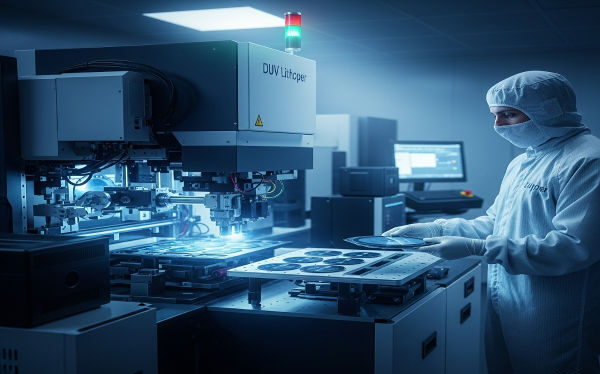
Huawei’s determination to advance its semiconductor capabilities amidst global constraints showcases its resilience and innovation.