





On an attempt to move its economy away from semiconductors, Taiwan intends to invest roughly $1 billion annually on artificial intelligence. According to its technology minister, Taiwan intends to invest $1 billion annually in its AI sector. “AI sovereignty” is important and helps Taiwan’s security, Wu Cheng-wen told Nikkei Asia. To bolster its economy, the country has been shooting off from China and semiconductors.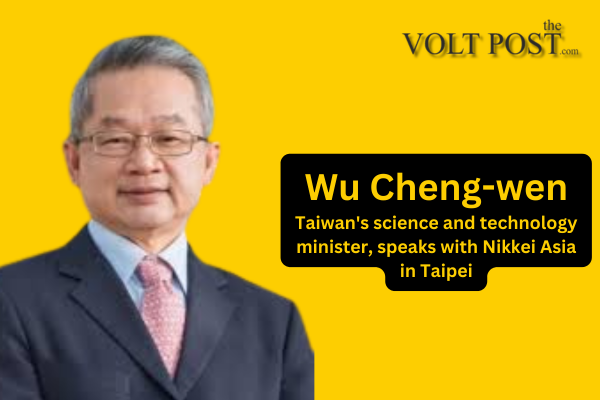
Taiwan’s minister of science and technology said Nikkei Asia on Thursday that the government would increase the computing capacity of AI data centers by $3 billion over three years.
Wu Cheng-wen told the site, “AI sovereignty is a critical issue,” and that it “benefits Taiwan’s security.”
The nation wants to at least “tenfold” the return on its investments, he added. The economy of Taiwan, the world’s top manufacturer of cutting-edge chips, is greatly impacted by this development and propel the AI sector.
Over 90% of the global market is accounted for by Taiwan’s semiconductor industry, which in recent years has contributed between 13 and 15% of Taiwan’s GDP.
The move coincides with the nation’s efforts to diversify its economy away from China and into sectors like artificial intelligence.
Taiwan still depends mostly on exports to China, its primary commercial partner, although in recent years it has increased exports to the US, India, and Southeast Asian nations.
The shift to AI and AI sector, Wu told Nikkei Asia, might help his nation gain better commercial relations with nations in what he called the “democratic camp.”
Taiwan Semiconductor Manufacturing Co., or TSMC, informed its Chinese customers earlier this month that it would no longer be supplying them with its state-of-the-art AI chips and that the US would probably be involved in the approval process for any future supplies to Chinese companies, according to several outlets, including the Financial Times.
Taiwan is also being pressured to assist its businesses in moving their output away from China, according to Reuters, by President-elect Donald Trump’s victory earlier this month and the prospect of 60% tariffs on US imports from China.
Taiwan Semiconductor Manufacturing Co., or TSMC, informed its Chinese customers earlier this month that it would no longer be supplying them with its state-of-the-art AI chips and that the US would probably be involved in the approval process for any future supplies to Chinese companies, according to several outlets.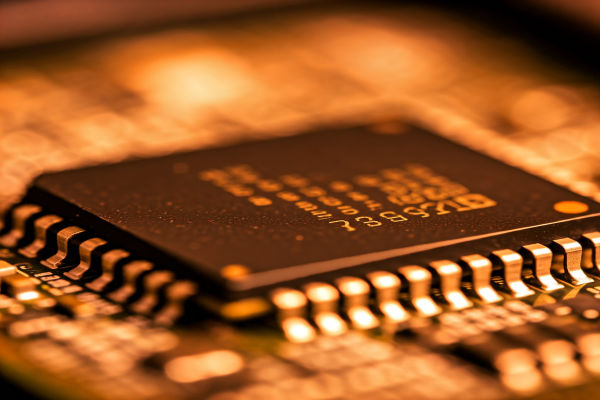
After Trump assumes office in January, Wu told Nikkei Asia he is eager to work with the United States.
If TSMC’s 2-nanometer chip plant grows well and goes into “mass” production as planned next year, “we can plan on building similar state-of-the-art 2-nanometer plants in allied nations,” he told the outlet.
References: Nikkei Asia | Yahoo

