





Tenstorrent has announced the acquisition of Blue Cheetah Analog Design aims to Democratize Die-to-Die Connectivity and Boost Open Chiplet Ecosystem.
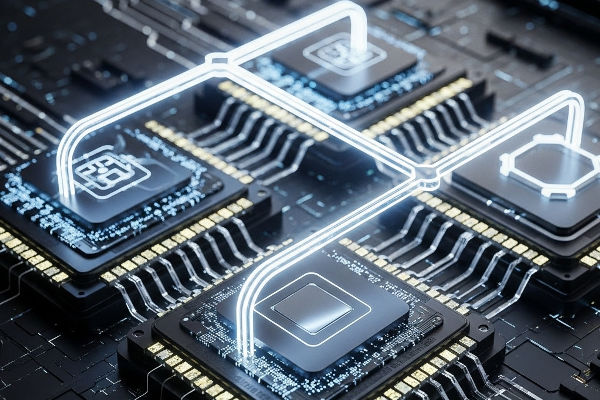
In a bold step toward open hardware innovation, Tenstorrent has announced the acquisition of Blue Cheetah Analog Design, a startup known for its cutting-edge die-to-die interface IP.
The deal marks a significant push by Tenstorrent to open-source Blue Cheetah’s chiplet interconnect technology, aiming to remove traditional barriers to entry in chiplet-based system design.
This move could fundamentally reshape how future semiconductor platforms are built—faster, more modular, and interoperable across vendors.
Strategic Alignment: Performance Meets Openness
Tenstorrent, a company known for designing RISC-V-based AI processors, sees the Blue Cheetah acquisition as more than a mere portfolio expansion.
It is a declaration of intent to transform the chiplet ecosystem by promoting interoperability, design transparency, and reduced integration complexity.
Blue Cheetah’s IP portfolio includes silicon-proven, customizable PHYs for high-speed die-to-die interconnects. These PHYs are protocol-agnostic and optimized for advanced packaging architectures such as 2.5D and 3D ICs.
By making this technology open to partners and customers, Tenstorrent is signaling that the future of chip innovation lies in collaboration—not proprietary lock-ins.
Why This Matters for the Chiplet Ecosystem
The chiplet model—where multiple small dies are integrated into a single package—is quickly gaining traction as a practical alternative to monolithic SoC designs.
However, its adoption has been slowed by the lack of common standards for die-to-die connectivity.
By acquiring Blue Cheetah and planning to open its PHY IP, Tenstorrent is addressing a core challenge: enabling seamless communication between chiplets, regardless of the vendor or process node. This could allow companies of all sizes to build highly customized, cost-effective systems with unprecedented flexibility.
CEO Comments
Jim Keller, CEO of Tenstorrent and a veteran in semiconductor architecture, described the move as a leap toward a new era of open hardware design.
According to Keller, the future of chiplet-based computing depends on shared standards and high-quality open-source IP that does not compromise on performance or efficiency.
This acquisition echoes Keller’s broader vision for the industry—one that prioritizes reusable design blocks, scalability, and open ecosystems over proprietary silos.
Acquisition Can Make Chiplet Designs Norm in AI
The implications of this acquisition are far-reaching. If successful, it could catalyze a movement where chiplet designs become the norm in AI, high-performance computing, and edge applications.
Other semiconductor leaders may now feel the pressure to support or build on open interconnect standards rather than guard proprietary ones.
It also positions Tenstorrent as not just a chipmaker, but a strategic enabler for third-party system designers, IP vendors, and hyperscalers who are exploring chiplet-based architectures.
Open Standards and Modular Computing
The chiplet trend is on an upward curve, and open-source contributions like this could accelerate that growth. By unlocking access to Blue Cheetah’s high-speed PHYs, Tenstorrent is opening new doors for innovation in modular computing.
The move could influence the next generation of open specifications, potentially tying in with standards like UCIe (Universal Chiplet Interconnect Express) while also fostering alternatives optimized for niche applications.
As the industry gravitates toward disaggregated architectures, this acquisition sets a precedent: opening up essential IP can drive ecosystem growth and foster competition based on integration and performance, rather than closed, vendor-specific solutions.
Tenstorrent’s acquisition of Blue Cheetah and its commitment to open-source its chiplet PHY IP is a pivotal moment for the semiconductor industry.
It brings together a vision of high-performance compute and collaborative development—two pillars essential to the future of AI hardware, data centers, and edge platforms.
In a time when chip design is becoming more modular and cross-domain, this move is both timely and potentially transformative.

