





The new High Voltage Reed Relay Resource Center, an online reference library of technical material for engineers constructing HV switching systems or seeking to expand their knowledge, was launched by Pickering Electronics.
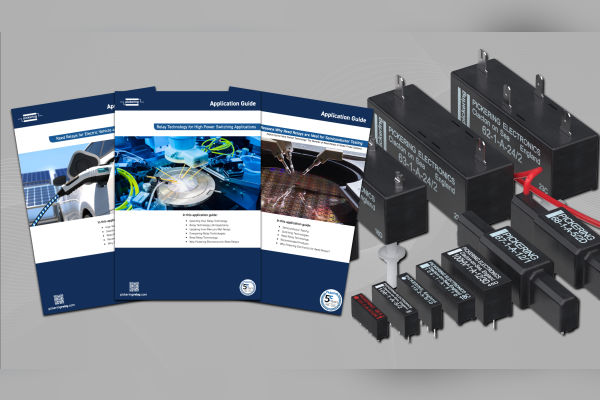
This digital reference library, which builds on Pickering’s more than 55 years of industry experience, leadership, and innovation in high voltage reed relay technology, brings together a wealth of in-depth technical knowledge as well as useful video, application guide, and case study resources.
These resources are written by subject matter experts from the company’s Center of Excellence for high voltage switching.
Pickering’s High Voltage Reed Relay Resource Center contains everything engineers need to know about high voltage reed relays, including how they work, what to look for when selecting a device, and how to use it to ensure the best performance in your HV switching application.
Topics include:
- The construction of a high-voltage reed relay, including the switch blades & gap, and magnetic screening
- Failure modes, including vacuum failure, plating material damage, and breakdown & arcing
- AC & DC considerations
- Hot & cold switching
- Loads & in-rush current
- Test methods
- Why reed relays may be a better option for HV applications than competing technologies, such as electromechanical relays (EMRs) & solid-state relays (SSRs)
To Access The High Voltage Reed Relay Resource Center, CLICK HERE
Since launching its initial high voltage reed relays in 1970, Pickering has been a major player in the field for more than 50 years.
The company has since created a wide range of high-performance reed relays for a variety of high voltage switching applications, such as high-end cable testers, backplane testers, medical electronics, electric vehicles, solar energy systems, in-circuit test equipment, mixed-signal semiconductor testers, and high voltage instrumentation.
Decades of superior manufacture are the foundation of Pickering’s reputation for reed relay innovation. In addition to formerless coil construction, the company’s unique SoftCenter technology, which increases mechanical durability, and instrumentation-grade reed switches for reliable, long-life operation up to billions of cycles, all relays use these components.
High packing densities with little magnetic interference are made possible by internal or external mu-metal screening, and each relay is thoroughly tested, including dynamic contact wave-shape analysis, to guarantee constant quality.
 Leadership Comments
Keith Moore, CEO of Pickering Group said: “In 2025, Pickering is celebrating 55 years of innovation and leadership in high voltage switching and reed relays. Having established our Centre of Excellence for high voltage switching—a cross-functional team to consolidate, leverage, share, and expand the knowledge and subject matter expertise we have accumulated across design, manufacturing, and test—we tasked it with creating a comprehensive digital reference library for the benefit of engineers looking to build HV switching systems or develop their knowledge.”
“The number and range of high voltage switching applications have increased significantly over the last decade, all with demanding requirements. For instance, the relays require large clearances between component parts (including the reed switch contacts) to minimize the likelihood of arcing, as well as contact materials that can resist the erosion that occurs when switching the signals,” notes Rob King, Reed Relays Product Manager at Pickering Electronics.”
“Pickering’s 55-year heritage in designing and manufacturing HV reed relays means we can match the diversity of application requirements with our broad portfolio of high performance, high quality HV relays, and our new High Voltage Reed Relay Resource Center provides the ideal reference library for engineers looking to develop their knowledge and build HV switching systems, added Rob.”
Learn about 10 key advantages reed relays offer over competitor relays at: www.pickeringrelay.com/10-key-benefits/

