





The Ministry of Electronics and Information Technology (MeitY), in partnership with CERT-In and cybersecurity firm SISA, has unveiled a comprehensive whitepaper titled “Transitioning to Quantum Cyber Readiness.”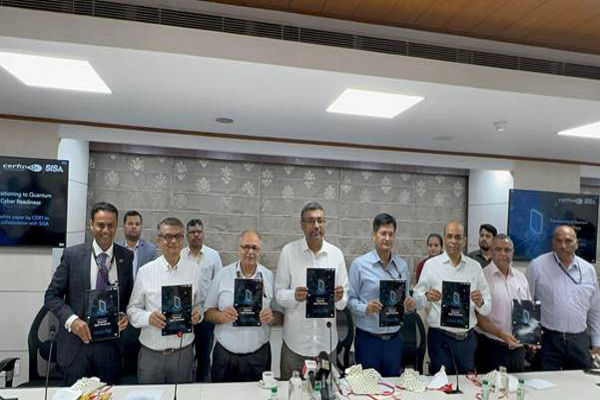
This document marks India’s first structured national effort to guide organizations across critical sectors in making a secure transition to quantum-resistant cryptographic systems.
The Quantum Threat is Real
As global advancements in quantum computing accelerate, traditional encryption methods such as RSA and ECC are rapidly approaching obsolescence.
Quantum computers are expected to render many of today’s cryptographic algorithms ineffective, creating potential vulnerabilities in sectors like banking, healthcare, defense, and national governance.
Recognizing the urgency, the Indian government has acted proactively to lay out a strategic framework that addresses both short-term and long-term cybersecurity challenges in a post-quantum era.
Inside the Whitepaper: Four Strategic Pillars
-
Assessment of Cryptographic Risk
-
The roadmap begins by advising organizations to evaluate their existing encryption standards. The goal is to identify where sensitive or critical data might be exposed if quantum decryption becomes feasible.
-
-
Transition Roadmaps and Migration Pathways
-
It outlines phased approaches to upgrade existing systems to quantum-safe cryptography. This includes hybrid implementation strategies that allow organizations to maintain operations while transitioning.
-
-
Sector-Specific Guidance
-
The roadmap provides actionable recommendations for high-risk industries. Financial services, healthcare systems, military-grade infrastructure, and government services are expected to adopt quantum-resilient measures first.
-
-
Public-Private Collaboration
-
CERT-In will spearhead the national coordination effort, while SISA brings expertise in security audits, compliance alignment, and forensic capabilities. The roadmap emphasizes the need for unified action across sectors and between public institutions and private enterprises.
-
Leadership Comments
S. Krishnan, Secretary at MeitY, stated during the launch that the initiative is vital to safeguard India’s digital future. He emphasized the importance of clarity, agility, and coordinated execution in navigating the quantum shift.
Dr. Sanjay Bahl, Director General of CERT-In, highlighted the importance of timing. According to him, “Quantum computing will soon disrupt the entire cybersecurity paradigm, and this roadmap offers the preparedness blueprint India needs.”
Dharshan Shanthamurthy, CEO of SISA, described this as the most significant transformation in cybersecurity in over three decades, noting that legacy systems were never designed to resist quantum-level attacks.
Organizations across India are now being encouraged to:
-
Conduct cryptographic asset inventories and risk assessments
-
Begin adopting post-quantum encryption standards (PQE)
-
Integrate hybrid models that blend current encryption methods with quantum-safe alternatives
-
Develop internal skills and partnerships to execute the transformation smoothly
Special emphasis is placed on regulatory bodies and sector leaders to align compliance requirements with this emerging threat model.
A Vision Beyond Compliance
This move puts India in line with global efforts from countries like the United States, Germany, and Japan, who have already begun initiatives to counter quantum cybersecurity threats. By developing a localized and actionable strategy, India is positioning itself as both a fast mover and a thought leader in quantum cybersecurity resilience.
The release of this quantum-safe roadmap is not merely a response to future threats—it is a declaration of intent. India is not waiting for quantum computers to become a risk; it is preparing now, with a full-spectrum plan that includes policy, technology, and strategic collaboration.
For India’s digital economy to thrive securely in the post-quantum era, this transition will be critical. With clear direction and a united front, India is taking one bold step forward into a quantum-resilient future.
To Download The Whitepaper: CLICK HERE

