





Utilities must upgrade grid capacity and implement smart monitoring to achieve 99% charger uptime amid India’s EV surge to 30% penetration by 2030. V2G scaling requires bidirectional pilots with fleets, starting in Delhi and Bengaluru, to leverage 20 GW distributed storage potential. Preparation hinges on policy alignment like PM E-DRIVE‘s INR 2,000 crore for public chargers.
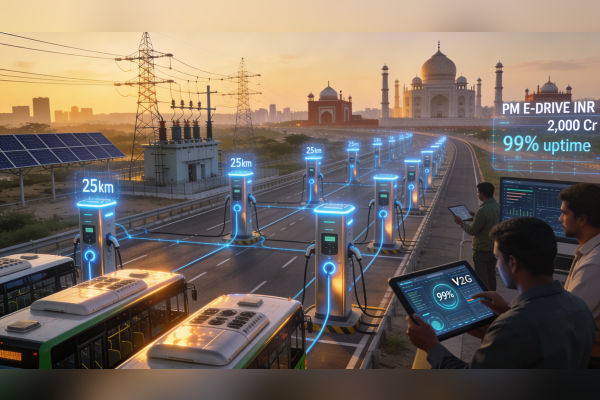
Charger Uptime Strategies
Deploy real-time diagnostics and AI fault prediction to cut downtime, as modern units integrate smartphone monitoring for 99% reliability. Standardize equipment per global benchmarks via regulatory bodies, addressing interoperability gaps in urban clusters like Bengaluru’s 77% charger concentration.
Offer Time-of-Day (TOD) tariffs and Special EV Power Lines (EVPL) to manage peak loads, reducing grid stress from clustered stations.
-
Secure dedicated power connections with reduced approval timelines, targeting highways every 25 km.
-
Partner with CPOs for unified apps handling payments and bookings, boosting utilization from current lows.
-
Subsidize fast chargers via state policies, as high GST (18%) and land costs deter private rollout.
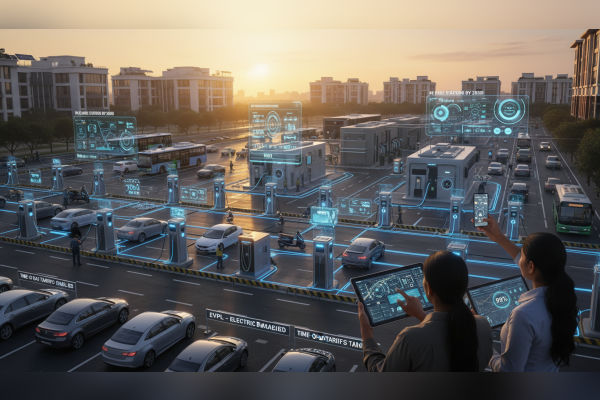 Grid Modernization Needs
Upgrade substations for EV load assumptions, as DISCOMs lack regional planning, causing connection delays. Integrate renewables at stations to offset intermittency, aligning with 500 GW RE target. Deploy dynamic load management software to prevent blackouts during peaks, prioritizing urban-rural balance where one charger serves 135 EVs versus global 1:6-20.
V2G Pilot Roadmap
Launch fleet-based trials with e-buses: Delhi’s BSES-Tata Power uses 500 units for off-peak storage; Bengaluru’s BESCOM ties to solar rooftops. Develop indigenous bidirectional inverters via ISRO-IIT, minimizing battery degradation through AI algorithms.
Scale to 20 GW by 2030 via mandates in NITI’s blueprint, starting with taxis and logistics.
| Phase | Timeline | Utility Actions | Expected Impact |
|---|---|---|---|
| Pilots | 2026 | Deploy inverters in 5 cities | Grid stabilization, 1-2 GW storage |
| Fleet Scale | 2027-28 | Mandate e-bus V2G | Frequency control, RE integration |
| Mass Adoption | 2029-30 | Residential standards | 20 GW capacity, 10% peak demand |
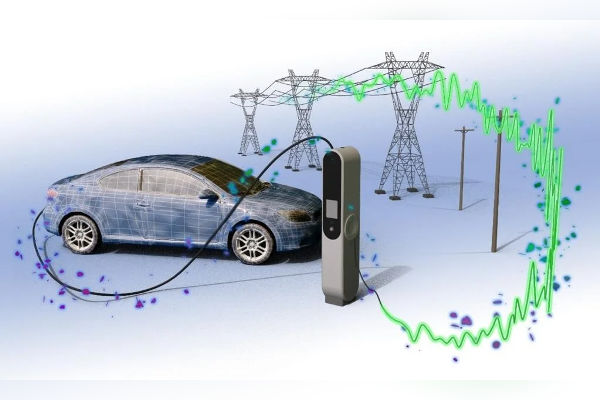 Financing and Partnerships
Create blended funds for capex: DISCOMs-CPO-RE developers share INR 2,000 crore PM E-DRIVE outlay. Offer revenue models like ancillary services payments for V2G discharge. Collaborate with OEMs for hardware standardization, de-risking rural expansions.
Regulatory Alignment
Advocate unified standards for chargers and V2G by 2026 per NITI, including battery health tracking. Push states to cut power tariffs and permits, as high costs slow CPO investments. Monitor VAHAN for load forecasting, ensuring 1.32 million stations by 2030.
Assess Current Grid Capacity Limits For Fast Charging Hubs
A single 350 kW ultra-fast charger equates to 50-70 household demands, risking peak-hour instability without upgrades.
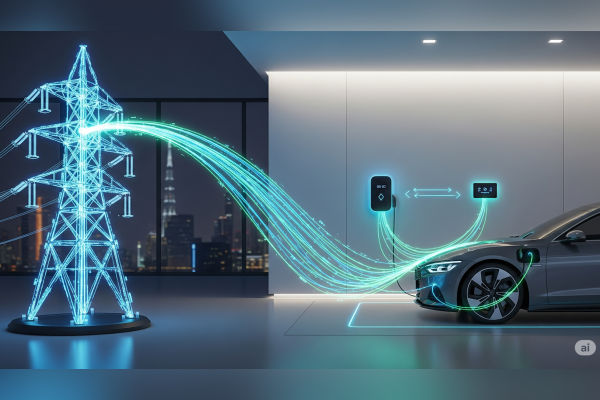 Existing Capacity Benchmarks
Public stations reached 26,367 by early 2025, but 60% cluster in Maharashtra, Delhi, Karnataka, Tamil Nadu, and Gujarat, overloading local transformers.
DISCOMs mandate 240 kW minimum at e-bus depots, yet rural networks handle just 50 kW chargers due to outdated lines.
Highways require stations every 25 km with 50-150 kW DC fast chargers, but grid connections delay 6-12 months from approval bottlenecks.
Key Limitations Exposed
Peak evening charging destabilizes frequency, as grids lack dynamic management for simultaneous 100+ kW draws.
Transformer upgrades lag: NITI Aayog notes high-voltage connections absent in 70% semi-urban areas. Utilization stays low at 10-20%, masking overload risks when scaled; one charger serves 135 EVs versus global 1:6-20.
| Hub Type | Typical Power Draw | Grid Constraint | Mitigation Gap |
|---|---|---|---|
| Urban Fast (50-150 kW) | 200 km in 35-40 min | Substation overload | TOD tariffs needed |
| Highway Ultra (350 kW+) | 10+ vehicles/hour | Line capacity <240 kW | RE integration |
| Depot (240 kW min) | E-bus fleets | Peak instability | V2G pilots |
Maharashtra leads with 4,200 stations but faces Bengaluru-like clusters straining IT park grids. Highways have 4,500+ chargers, yet 100 km gaps persist due to power shortages on expressways. Rural deficits: insufficient networks block even moderate rollout, per state DISCOM data.
Upgrade Pathways
Invest in substation reinforcements and smart meters for load forecasting, targeting 1.32 million stations by 2030. Mandate off-peak incentives via MoP guidelines to align with spare night capacity. Pilot renewable-backed hubs on corridors, cutting grid reliance by 30%.

