




Battery Management Systems (BMS) are essential for safely managing battery packs in electric vehicles, renewable energy, and backup systems. However, they can face technical faults that affect performance and safety.
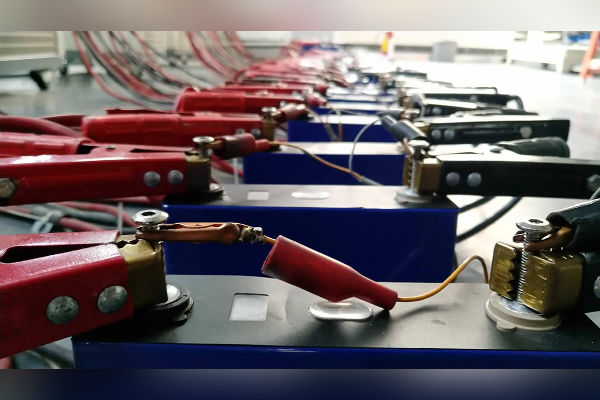 Here are common five BMS faults and their solutions:
1. Voltage Imbalance Among Cells
Voltage imbalance occurs when cells in a battery pack have unequal voltages, causing uneven charge and discharge cycles, which reduces battery life and safety. To address this BMS faults, implement cell balancing—either passive (dissipating excess energy) or active (redistributing charge). Continuous voltage monitoring and updating BMS firmware improve balancing efficiency.
Solution:
-
Use cell balancing techniques: Passive balancing dissipates excess energy, while active balancing redistributes charge between cells to equalize voltages.
-
Continuously monitor individual cell voltages to detect early imbalances.
-
Keep BMS firmware updated to leverage improved balancing algorithms.
2. Temperature Measurement Errors
Accurate temperature sensing prevents battery overheating and failures. Errors arise from faulty sensors or poor placement. Solutions include using redundant sensors for validation, regular sensor calibration, and placing sensors near critical cells or hotspots for accurate readings.
Solution:
-
Incorporate redundant temperature sensors to cross-verify readings and ensure reliability.
-
Perform regular calibration of sensors to maintain measurement accuracy.
-
Position sensors strategically near critical cells or potential hotspots for representative temperature data.
3. Communication Failures
BMS relies on communication protocols like CAN bus to share data with other systems. Failures can disrupt monitoring and trigger false alarms. Use high-quality shielded wiring and connectors, error-checking protocols such as CRC, and implement diagnostic logging to quickly identify and fix communication problems addressing these BMS Faults.
Solution:
-
Utilize high-quality, shielded cables and secure connectors to minimize interference and disconnections.
-
Implement error-checking protocols like Cyclic Redundancy Check (CRC) to detect data corruption.
-
Use diagnostic logging and tools to monitor communication health and swiftly identify issues.

4. Current Sensor Faults
Current sensors measure battery charge/discharge rates and help estimate state of charge. Faults like sensor drift or failure cause wrong readings that can harm the battery. Regular calibration, redundant current sensing methods (like shunt resistors plus Hall effect sensors), and fault detection algorithms improve sensor reliability.
Solution:
-
Conduct periodic calibration of current sensors to adjust for drift and offset errors.
-
Employ redundant current sensing methods, such as combining shunt resistors with Hall effect sensors for validation.
-
Implement fault detection algorithms that recognize abnormal sensor behavior and switch to backup sensing.
5. Firmware Bugs and Software Issues
BMS firmware controls data collection and safety protocols. Bugs can lead to crashes or incorrect decisions. Rigorous testing (unit, integration, field), over-the-air updates for quick fixes, and cybersecurity measures such as encryption and secure boot help maintain firmware integrity and performance.
Solution:
-
Execute rigorous testing across various stages including unit, integration, and field tests to identify bugs early.
-
Enable over-the-air (OTA) firmware updates to quickly deploy bug fixes and security patches.
-
Incorporate cybersecurity measures like encryption and secure boot to protect firmware integrity from tampering.