





FLIR’s Early Fire Detection (EFD) technology provides continuous, non-contact thermal monitoring designed specifically for these challenging environments. FLIR’s rugged, high-resolution thermal cameras detect temperature anomalies before they reach dangerous levels, well before smoke or flame appears.
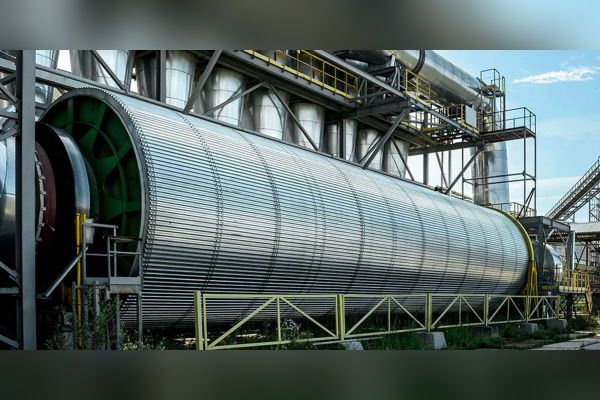
It’s no secret that forest product manufacturing depends on kilns and dryers to prepare wood for the market. These critical processes remove moisture, stabilize timber, and improve product quality to optimize your assets before shipping, but the very nature of kilns and dryers also creates one of the most fire-prone environments in the forestry sector.
Don’t Doubt the Data: Billions Are Lost to Industrial Fires Every Year
Recent data reveals just how costly fire risks in forestry facilities have become. Last year, the U.S. experienced over 38,000 fires at industrial or manufacturing facilities. According to global risk consultants TÜV SÜD, this caused around $1.2 billion in damage?, with a significant percentage originating in manufacturing processes involving high heat, like drying and kiln operations.
By their very nature, fires that originate in kilns and dryers are frequently subsumed into broader forestry fire statistics, obscuring the role of industrial processes in overall risk. However, we can infer something of the scale of this heat-driven hazard.
A recent NFPA summary indicates that from 2017 to 2021, U.S. fire departments responded to an average of 36,784 fires per year at industrial or manufacturing facilities, resulting in over $1.5 billion in direct property damage annually. Many of these fires originate in wood processing, including areas with kilns, dryers, and combustible dust exposure.
In 2023, U.S. fire departments responded to approximately 110,000 non-residential building fires, resulting in $3.16?billion in property damage; a figure that includes fires at manufacturing facilities and wood-processing sites where kiln and dryer hazards are present.
Clearly, the nature of forestry kilns and dryers can amplify the innate fire risks on such sites. They expose wood to sustained, elevated temperatures, while the presence of fine combustible dust, resin buildup, and high humidity creates a veritable tinderbox ready to kindle at the smallest spark. Even a minor hot spot can quickly escalate to a full-scale fire, causing devastating losses in inventory, production downtime, and costly repairs.
Seeing Past the Hidden Threat Inside Kilns and Dryers
Traditional monitoring methods, such as periodic, manual inspections and spot temperature checks, are simply not effective in such high-stakes environments.
They can easily miss subtle early warning signs, allowing internal hot spots to develop unnoticed behind kiln walls or in ductwork, where high humidity and oxygen levels vary wildly. These concealed pockets can smoulder for hours or days, if left uninterrupted, before erupting into flames.
FLIR’s Early Fire Detection (EFD) technology provides continuous, non-contact thermal monitoring designed specifically for these challenging environments. FLIR’s rugged, high-resolution thermal cameras detect temperature anomalies before they reach dangerous levels, well before smoke or flame appears.
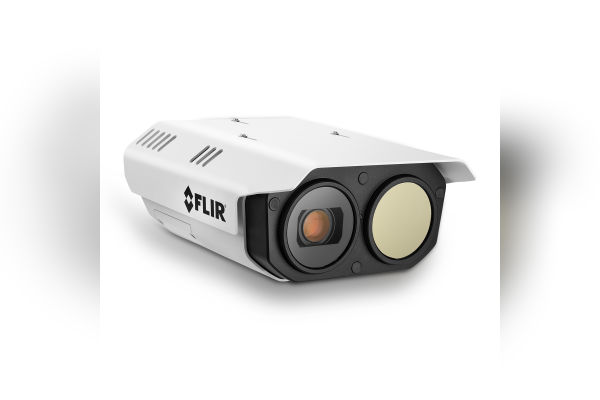
Key devices for early fire detection in biomass kilns and dryers include:
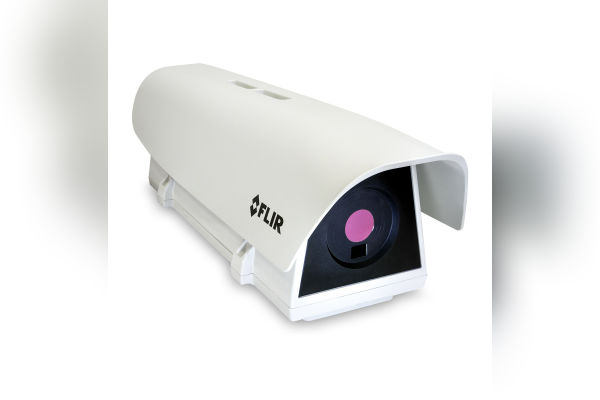
Built for extreme industrial heat zones, this camera delivers continuous thermal imaging with programmable alarms that can integrate with existing SCADA or fire suppression systems.
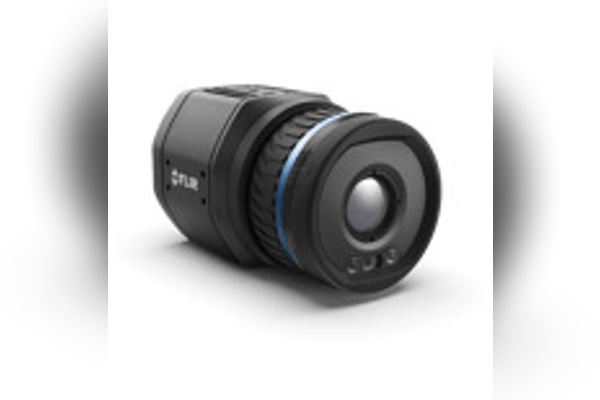
Versatile and compact, these cameras are perfect for installation inside dryer enclosures or near conveyor transfer points where ignition risk is high.
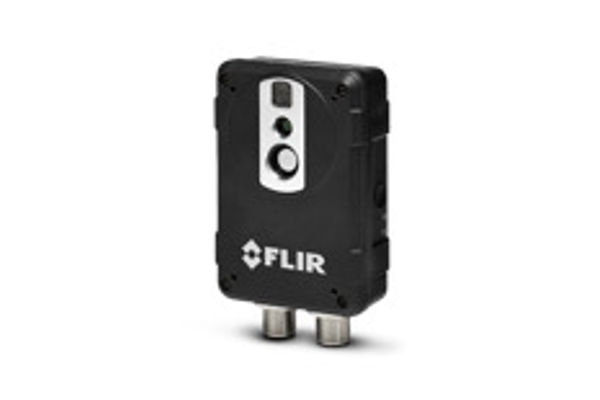
Combining thermal and visible imaging, it offers real-time temperature mapping alongside visual verification, reducing false alarms caused by steam or dust.
Real-World Impact: Preventing Losses Before They Start
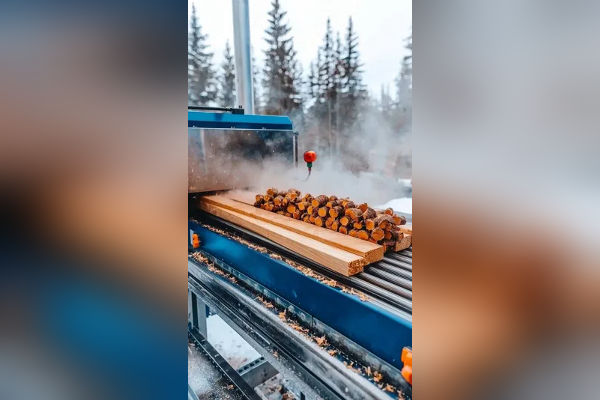
In biomass preparation and waste facilities, thermal imaging systems from FLIR have enabled the detection of hidden hot spots before full ignition, preventing significant losses at scale.
For example, TAV Ludwigslust’s waste-monitoring system experienced zero severe fire events after it deployed a comprehensive EFD system from FLIR. This compares with a previous costly fire incident in 2014 that required external firefighting intervention and, by the company’s own admission, could have cost up to €5 million in losses.
Similarly, in wood-product environments, FLIR systems integrated via Viper Imaging continuously monitor for temperature anomalies, giving operators the time needed to ventilate, clean, or shut down before fire escalation occurs
Of course, beyond protecting physical assets, early fire detection helps mills meet increasingly stringent insurance and safety regulations. It supports sustainable forestry goals by minimizing environmental damage caused by accidental fires.
Engineered to Withstand Forestry’s Harsh Environments
FLIR EFD cameras are designed for the demanding conditions of kilns and dryers. They can withstand dust, humidity, and temperature extremes while providing consistent, high-fidelity thermal data.
Importantly, onboard analytics reduce nuisance alarms, focusing attention on real threats and freeing operators to concentrate on production.
Delays Cause Downtime and Damage
Every minute counts when fire risk escalates inside a biomass kiln or dryer. Even the smallest ignition can rapidly engulf a facility, resulting in days or weeks of downtime as crews struggle to contain the blaze and its subsequent damage.
The cost of lost production, emergency response, equipment replacement, and environmental cleanup can easily reach millions, as evidenced by TAV Ludwigslust.
Thermal early fire detection offers the earliest possible warning, enabling operators to act decisively and protect their business.
Early Action Prevents Asset Loss
In an industry in which heat is essential but fire is the enemy, FLIR’s Early Fire Detection solutions provide the watchful eye operators and site owners need for comprehensive assurance. Don’t wait for a disaster to kindle in your kiln; safeguard your dryers now.
Fill in the form to contact a FLIR early fire detection expert today and explore tailored solutions that keep your forestry operations running safely and smoothly.

